While analysing the causes of death and family informants is vital for genealogical research, extracting the full value of a historical death certificate requires an understanding of the system that created it. This guide focuses strictly on the legislative and administrative machinery behind civil death registration in England and Wales..
When the government initiated the civil registration of births, marriages, and deaths on 1 July 1837, it established a massive administrative network designed to track the vital life events of the population. By understanding how this legal framework operated, you can better contextualise the documents you order from the archives.
Table of Contents
Legal Timelines in Civil Death Registration
When civil registration was first introduced in the early Victorian era, the system was somewhat relaxed. While the government strongly encouraged the reporting of vital events, the initial laws lacked the robust enforcement mechanisms necessary to ensure total compliance. This resulted in a system where some early deaths inevitably went unrecorded.
This lax environment underwent a massive legislative shift with the introduction of the 1875 Registration Act. [cite_start]This landmark legislation fundamentally overhauled the administrative machinery by enforcing significantly stricter registration timelines. The 1875 Act officially made registration compulsory under threat of strict legal penalties, ensuring a far higher degree of accuracy in national records from that date forward.
The Administrative Hierarchy: From Local to Central
To effectively manage this compulsory civil death registration system, the government relied on a strict administrative hierarchy. Understanding this chain of command explains exactly how your ancestor’s death was recorded and indexed:
- The Local Registrar: The process began on the ground with the local registrar. When an informant reported a death, the local registrar recorded the specific details—such as the date, place, occupation, and cause of death—directly into the local register book.
- The Superintendent Registrar: The local districts were grouped into larger geographical regions overseen by a superintendent registrar[cite: 43]. The local registrars were required to make quarterly copies of their register books and pass them up the chain of command to the superintendent registrar’s office.
- The General Register Office (GRO): Finally, the superintendent registrars forwarded these quarterly copies to the central General Register Office. Historically headquartered at Somerset House in London, the GRO compiled all of these regional returns into the massive, nationwide alphabetical indexes that family historians still use today to order official certificates.
The Physical Layout: Why Indexes Use Quarters, Not Days
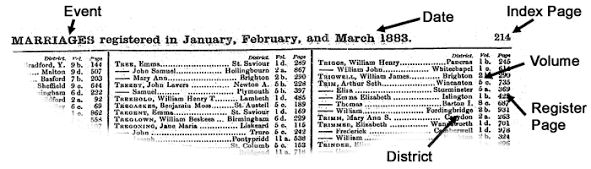
When you search the civil death registration indexes, you’ll immediately notice that the General Register Office (GRO) didn’t index events by the exact day they happened. Instead, the entire system is grouped into four distinct quarters: March, June, September, and December. This is entirely due to the administrative rules governing the physical layout and binding of the register books.
As local registrars recorded deaths, they wrote them sequentially into a physical book, assigning a specific page number to each entry. At the end of each quarter, these local registers were copied and sent up the administrative hierarchy to the central GRO, where they were bound together into massive national volumes.
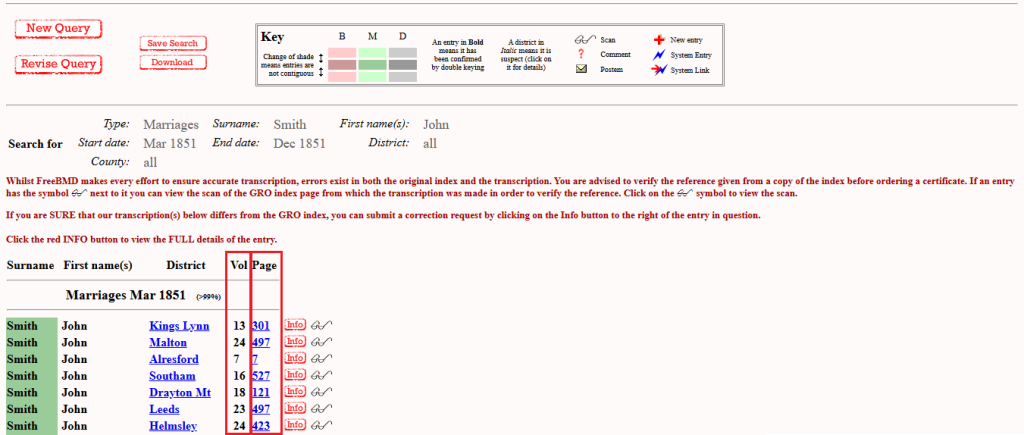
Therefore, a GRO index reference points you to the specific year and quarter the physical book was compiled and bound, rather than the exact date your ancestor passed away. Understanding this physical reality prevents researchers from becoming confused when an ancestor who died in late March doesn’t appear until the June quarter index.
Coroner Interventions: Bypassing Standard Informant Rules
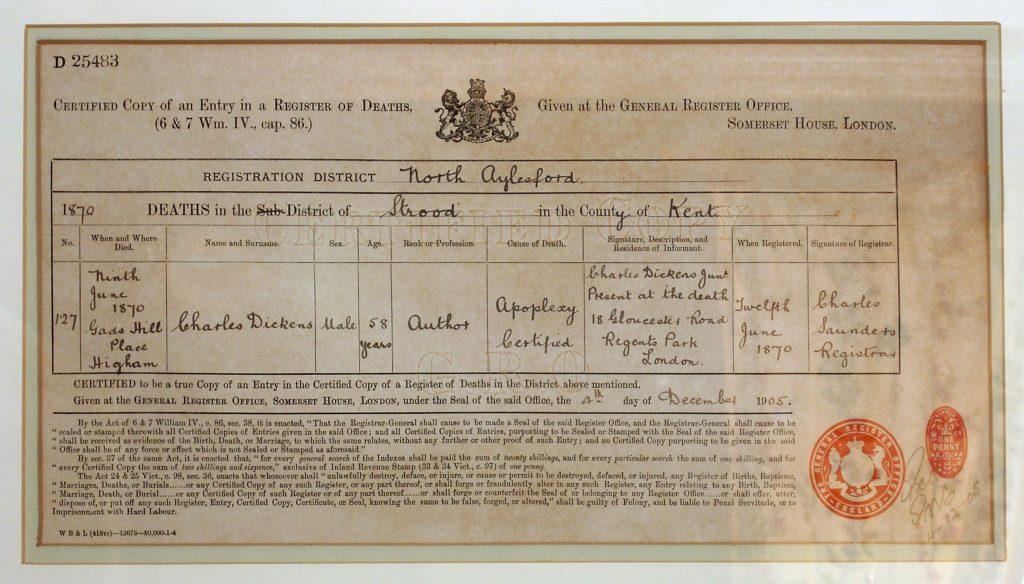
Typically, the “Informant” column on a death certificate lists a close family member or an individual who was physically present at the death. However, you must be prepared for a major administrative deviation: the intervention of a Coroner.
If an ancestor’s death was sudden, violent, or completely unexplained, the standard administrative rules for informants were legally bypassed. Instead of a grieving widow or son reporting the event to the local registrar, a Coroner would step in to hold an official inquest.
Administratively, if you see a Coroner officially listed in the informant column of your ancestor’s death certificate, it’s a massive genealogical clue. It means an official inquest was held, and the cause of death was determined by a jury rather than a standard attending physician. Most importantly, seeing a Coroner’s name directs you to pivot your research strategy. It points you away from the standard GRO indexes and toward entirely separate legal archives, prompting you to search for surviving Coroner’s Inquest Records at local county archives to uncover the full story of the tragedy.
Conclusion
A death certificate is far more than a simple record of a passing; it’s a highly structured legal document generated by a massive government apparatus. By understanding these underlying civil death registration rules—from the strict legal timelines and the quarterly binding of the physical books, to the hierarchical chain of command and Coroner interventions—you ensure that you can accurately and confidently interpret every single data field on the official certificate you order from the GRO.
Master the Index System: To find the precise volume and page numbers required to order these highly structured legal documents, be sure to read my foundational GRO Birth Index Decoding Guide.
Frequently Asked Questions
Why did some early Victorian deaths go completely missing from the official records?
When civil registration first started in 1837, the system was quite relaxed and lacked strict enforcement, meaning some deaths unfortunately went unrecorded. This changed completely with the 1875 Registration Act, which made registration strictly compulsory under threat of legal penalties and created far more accurate records.
How did my ancestor’s death details get from a local town to the central GRO archive?
The system relied on a strict chain of command, starting with the local registrar who wrote the details into their local register book. Every quarter, copies of these books were sent up to the regional superintendent registrar, who then forwarded them to the central General Register Office to be compiled into the national indexes.
Why does my ancestor’s index entry point to a three-month quarter rather than the exact day they died?
This is due to the physical layout and binding of the original records, as local books were collected and bound into massive national volumes only at the end of each quarter. Because of this administrative delay, an ancestor who passed away in late March might not actually show up until the June quarter index.
What does it mean if a coroner is listed in the informant column instead of a family member?
If your ancestor’s passing was sudden, violent, or unexplained, the standard reporting rules were legally bypassed so a coroner could hold an official inquest. Seeing a coroner’s name is a huge clue, as it tells you to pivot your research toward local county archives to search for surviving coroner’s inquest records.

Scott Hammond is an archival detective and family history researcher who turns complex historical records into simple, easy-to-follow resources. Outside of solving centuries-old mysteries, he is a dedicated husband, father of five, and an avid British & World history buff.