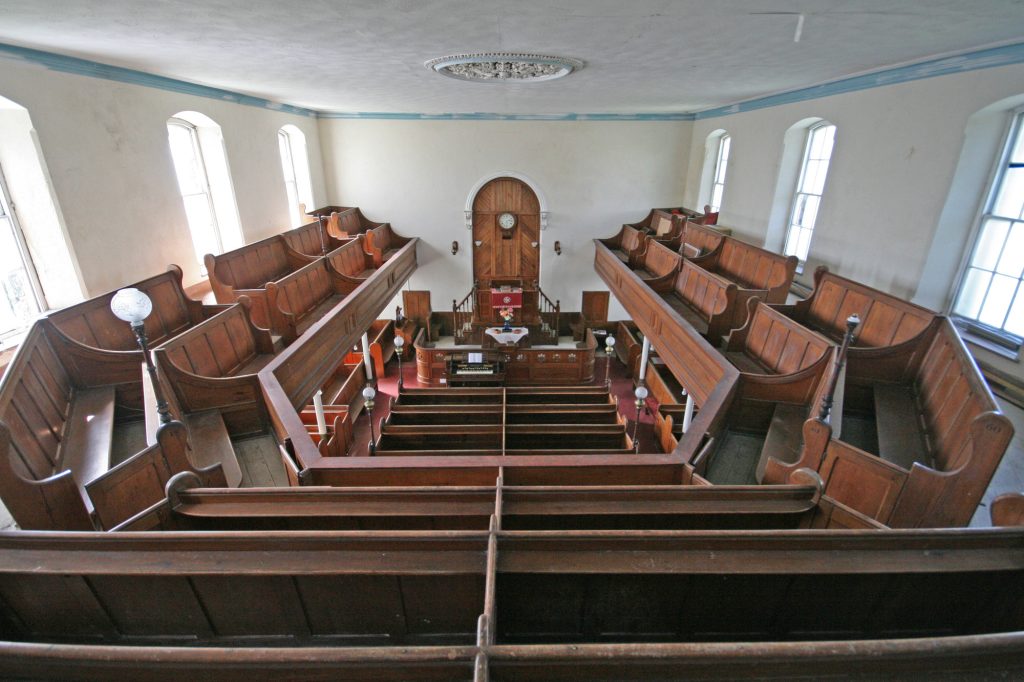
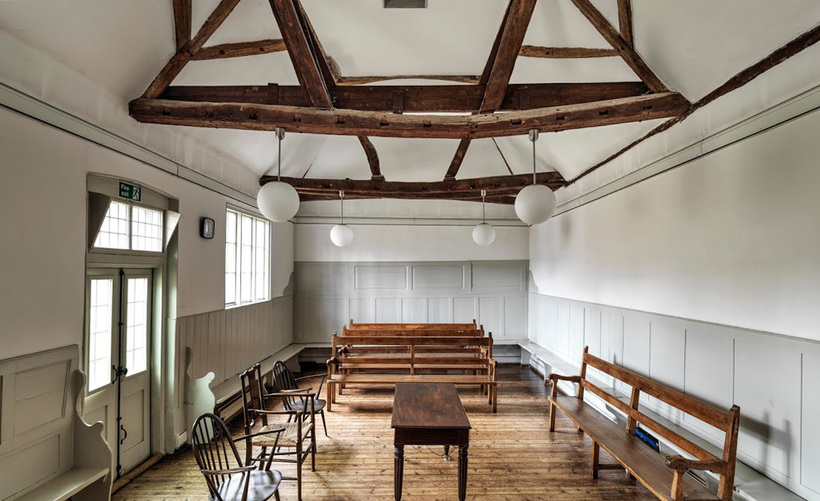
Tracing pre-Emancipation Catholic ancestors before the start of civil registration in 1837 is a uniquely challenging—but incredibly rewarding—genealogical puzzle. Following the Act of Uniformity in 1559, the Church of England became the firmly established national church, legally classifying all non-Anglicans, including Catholics, as “nonconformists”. Consequently, families of Catholic ancestors lived through centuries of penal laws and faced intense legal restrictions right up until the 19th century.
To keep your research moving forward, you must learn to navigate the specialised legal and archival landscapes that handled these minority records outside the standard state system.
Table of Contents
Covert Faith and Hidden Registers
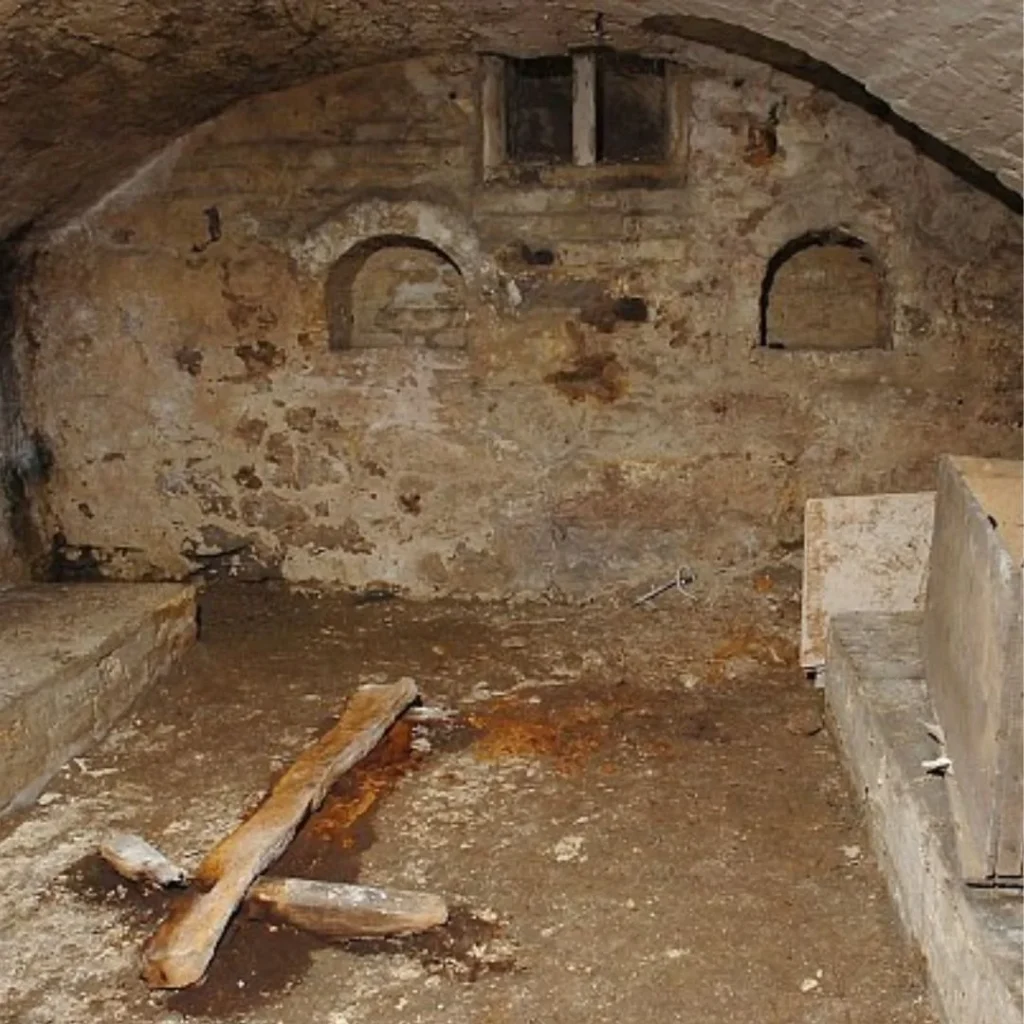
Because of this suppressive legal environment, Catholic baptism and marriage registers are rarely found sitting neatly alongside standard Church of England collections. Keeping official Catholic registers was technically illegal for a long period of English history. To protect themselves and their congregations from fines or imprisonment, Catholic priests were forced to administer the sacraments in secret.
To successfully track down these hidden records and break through your pre-Emancipation brick walls, you must look beyond the standard local parish church. While a small fraction of valuable early records for Catholic ancestors were eventually surrendered to the government and are now held at The National Archives under the RG 4 and RG 8 series codes, the vast majority of your research will rely on two highly specialised resources:
- Catholic Diocesan Archives: Because the Catholic church operated entirely outside the state system, many of those surviving covert notebooks and early registers were eventually centralised within the church’s own private administrative network. Searching the specific Catholic Diocesan Archives for the region where your Catholic ancestors lived is a crucial step in locating these rare original documents.
- Bishop’s Returns: In addition to local parish-level registers, you must utilise Bishop’s Returns. These administrative records and census-like returns were often compiled by the Catholic hierarchy to secretly monitor the numbers and locations of their faithful during times of legal suppression, providing a vital alternative paper trail for researchers tracking elusive Catholic ancestors.
Navigating Catholic Marriages and the 1754 Hardwicke’s Act
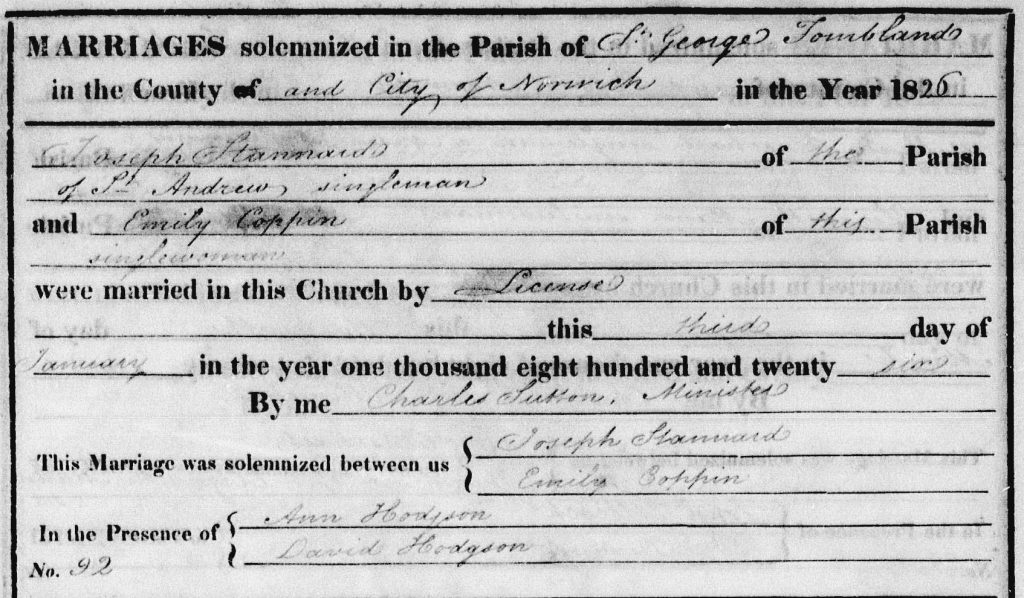
When searching for pre-1837 marriages of your Catholic ancestors, you must understand a critical piece of legislation that completely altered the genealogical landscape: Lord Hardwicke’s Marriage Act of 1754. This law made it a strict legal requirement for couples to be married within the established Church of England. While the government granted a vital legal exemption to the Quakers, yellow-lighting their communal weddings, Catholics were not exempt from this mandate.
Because of this intense legal pressure, Catholic ancestors were legally forced to marry in an Anglican parish church between 1754 and the start of civil registration in 1837. If they failed to do so, their marriage wasn’t legally recognised under English law, which could jeopardise their property rights and the legitimacy of their children.
Critical Strategy Shift: Even if your ancestors were devoutly Catholic and secretly attended Mass for all other sacraments, you must pivot your search strategy for their wedding. Between 1754 and 1837, you must look for your Catholic ancestors’ marriage entries directly within standard Church of England parish registers.
Searching for Surrendered Catholic Registers at TNA
While the vast majority of early Catholic records remain privately held in Diocesan Archives, a small but highly valuable number of Catholic registers were eventually surrendered to the General Register Office. Today, these rare records are securely centralised at The National Archives in Kew, filed under the non-parochial RG 4 and RG 8 series codes.
Because these are minority records mixed into massive databases, relying on a basic name search can be frustrating. Instead, follow this procedural guidance to locate the exact register books using TNA’s online catalogue:
- Step 1: Target the Catalogue: Go directly to the official National Archives Discovery Catalogue and restrict your search parameters specifically to the RG 4 and RG 8 series boxes.
- Step 2: Combine Geography and Denomination: To filter out the thousands of Protestant registers, you must combine your target geographic location (such as a county, town, or city) with your specific denomination search term.
- Step 3: Use Boolean Logic: Connect your search terms using the capitalised word “AND”. By typing “Catholic AND [Your Target Town]”, you’ll instantly filter the catalogue to show only the surviving Catholic piece numbers for that specific area.
- Step 4: View the Digitized Images: Once you’ve isolated the exact TNA piece number, head over to partner websites like Ancestry or The Genealogist. Using their “browse this collection” or advanced search features, you can navigate directly to that specific Catholic register and manually browse the original pages for your ancestor.
Bypassing Anglican Gaps: Pushing your research past the standard system requires mastering alternative archives. Head back to our core TNA Series RG4 Nonconformist Hub to see how the government centralised minority chapel records after 1837.
By understanding these vital legal workarounds and mastering the TNA catalogue, you can confidently break down your pre-Emancipation brick walls and uncover the hidden stories of your Catholic ancestors!
Take the Next Step in Your Research
Ready to pinpoint exactly where your pre-1837 Catholic family records are stored? Use our specialist checklist to map out your digital and physical archive path.
Frequently Asked Questions
Why are early Catholic baptism records so difficult to find in local parish churches?
Because of centuries of harsh penal laws, keeping official Catholic registers was technically illegal for a long time. To protect themselves from fines or prison, priests administered sacraments in secret, meaning these hidden records are usually found in private Catholic Diocesan Archives rather than standard local parish collections.
Why can’t I find my Catholic ancestors’ marriage record in a Catholic chapel register between 1754 and 1837?
You won’t find them there because Lord Hardwicke’s Marriage Act of 1754 made weddings within the Church of England a strict legal requirement. Since Catholics weren’t exempt from this law, they were forced to marry in an Anglican parish church to ensure their marriage was legally recognised, meaning you’ll need to check the standard Anglican registers.
Did any early Catholic registers get taken over by the government?
Yes, a small but highly valuable number of Catholic registers were eventually surrendered to the General Register Office. Today, these rare original documents are centralised and safely stored at The National Archives under the non-parochial RG 4 and RG 8 series codes.
How do I find a surrendered Catholic register in The National Archives if a basic name search fails?
You can easily track down the exact register book by using geography and following these simple steps:
1. Target the search: Open The National Archives’ online “Discovery” catalogue and restrict your search area to the RG 4 and RG 8 series codes.
2. Use specific terms: Type your target location alongside the word Catholic, joining them with a capitalised “AND” (for example, “Catholic AND Liverpool”).
3. Note the reference: This will filter out the thousands of Protestant records and give you the exact piece number for that specific Catholic register.
4. Browse the pages: Take that piece number to partner sites like Ancestry or The Genealogist, use their collection browser, and manually flip through the digitized images.

Scott Hammond is an archival detective and family history researcher who turns complex historical records into simple, easy-to-follow resources. Outside of solving centuries-old mysteries, he is a dedicated husband, father of five, and an avid British & World history buff.