If you’re researching nonconformist ancestors who lived prior to the start of civil registration in 1837, you may hit a brick wall if they didn’t belong to the Church of England. Between the late 17th and early 19th centuries, many individuals worshipped outside the established church. Navigating these records can feel overwhelming, but understanding how the government historically collected these documents—and where they’re held today—can unlock generations of your family history.
Table of Contents
What is Non-Conformity and Why are Records for Nonconformist Ancestors in the RG4 Series?
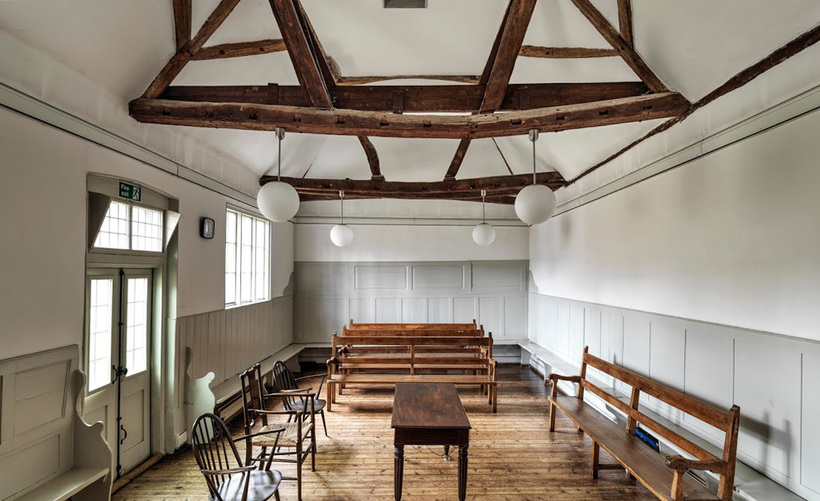
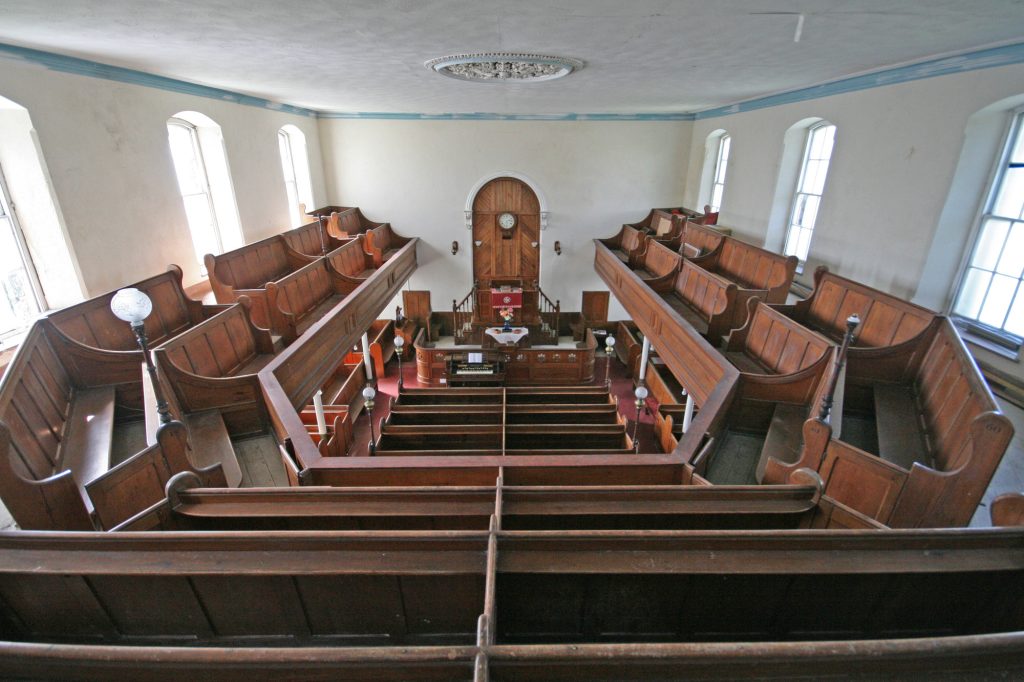
A “nonconformist” is historically defined as anyone who didn’t belong to the established church of the land. Following the Act of Uniformity in 1559, the Church of England became the established church, meaning all non-Anglican worshippers, including various Protestant denominations, were considered nonconformists.
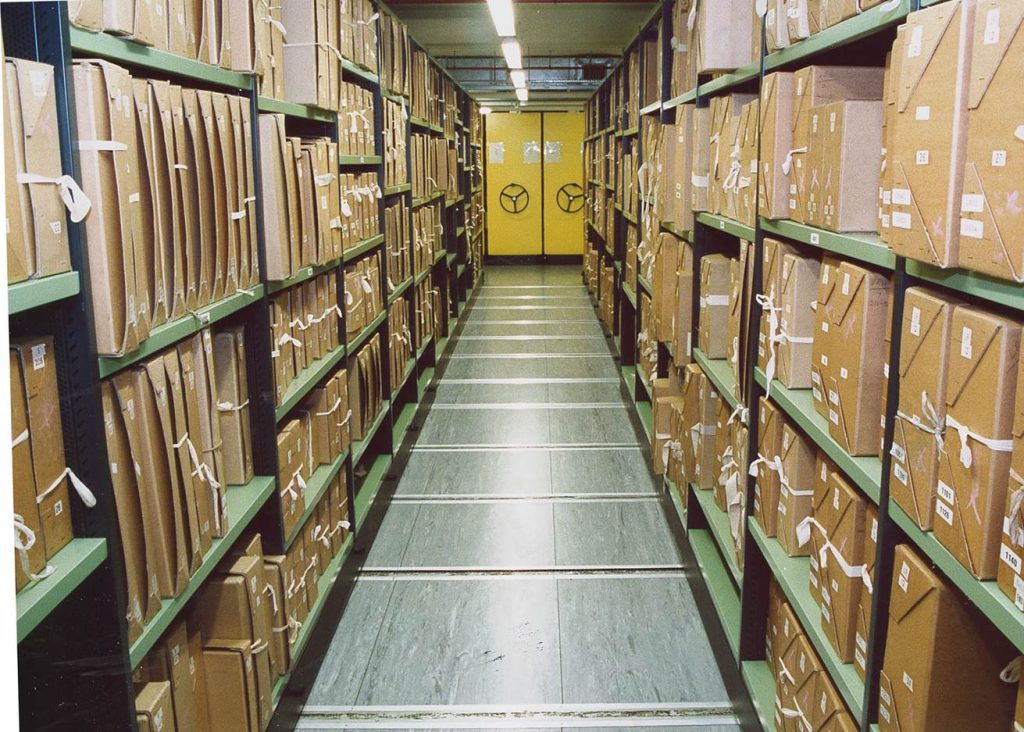
Because early vital events were recorded by local parish churches, tracking non-Anglican nonconformist ancestors was notoriously difficult. However, when the system of civil registration began in 1837, the General Register Office (GRO) proactively collected a massive number of nonconformist registers, bringing in even more in 1857. Today, these invaluable chapel books and registers are centralised at The National Archives and are predominantly filed under the catalogue series code RG 4 (alongside RG 5, RG 6, and RG 8).
Inside RG4: Methodists, Baptists, and Presbyterians
The RG4 series predominantly covers birth, baptism, and burial records from the 18th and early 19th centuries, stretching as far back as 1567. The most prominent non-Anglican Protestant denominations found in this collection are Baptists, Methodists, and Presbyterians.
When exploring these records to find your nonconformist ancestors, keep these specific denomination details in mind:
- Methodists: The collection includes the highly valuable Wesleyan Methodist Metropolitan Registry, which covers births spanning from 1773 to 1838 for Wesleyan Methodists throughout England, Wales, and beyond.
- Baptists and Presbyterians: You’ll frequently encounter entries from the Protestant Dissenters’ Registry of Births from Dr Williams’ Library, which operated from 1716 to 1837 to centrally record nonconformist births.
- A Crucial Note on Marriages: You’ll find very few marriage registers in RG4 for these three denominations. This isn’t an error. Between 1754 and 1837, only Church of England marriages were legally recognised (with an exemption for Quakers). Consequently, your Methodist, Baptist, or Presbyterian ancestors were likely forced to marry in the local Anglican parish church during this period.
Step-by-Step Logic: Using Geography to Locate Un-Indexed Chapel Books
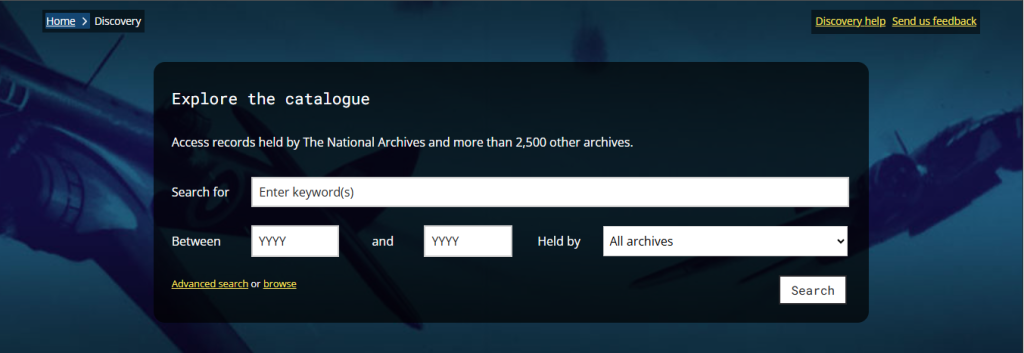
When dealing with un-indexed registers or when a standard name search fails, your best strategy is to use geographical locations to uncover the specific “piece numbers” (the individual chapel books) held in the RG4 series so you can locate your missing nonconformist ancestors.
Misordering these research steps will pull up incorrect archives — order is critical to finding the right piece number. Start with the specific geographic location where your ancestors lived. You can search by a county, a town, a city, or even the precise name of the chapel if you know it. Go to the official National Archives Discovery Catalogue. Enter your geographic location and the estimated date range, restricting your search specifically to the RG4 series box. To pinpoint the exact chapel book, combine your geographic term with the denomination using the word “AND”.
For example, search “Berkshire AND Methodist” or “Baptist AND Presbyterian” to filter the surviving records. This will reveal the exact TNA piece number for that congregation’s register. Once you’ve identified the chapel’s piece number, you can view the images. These RG4 registers have been digitised and can be browsed or searched on partner sites like The Genealogist, BMDregisters, or Ancestry. On Ancestry, use the “browse this collection” feature to manually page through the exact un-indexed book by selecting the series, place, and denomination.
Take the Next Step in Your Research
Before you dive into the archives, it’s essential to keep your geographical data and catalogue piece numbers meticulously organised. If you’re still having trouble finding early records, make sure to read my comprehensive GRO Birth Index Decoding Guide to see how the state handled regional boundaries across their records. Ready to map out your nonconformist chapel search with confidence?
Frequently Asked Questions
What exactly is a “nonconformist” and why are their chapel books kept at The National Archives?
A nonconformist is historically anyone who didn’t belong to the established Church of England, such as Methodists, Baptists, or Presbyterians. When civil registration started in 1837, the General Register Office proactively gathered up these scattered chapel books, which’re now safely centralised at The National Archives under the RG4 series code.
Why can’t I find my Presbyterian ancestor’s marriage record in the RG4 chapel registers?
You won’t find many nonconformist marriages in this collection because between 1754 and 1837, Church of England weddings were the only ones legally recognised. Unless your ancestors were Quakers, they’d’ve been forced to marry in the local Anglican parish church, so you’ll need to check those registers instead.
What are the Dr Williams’ Library records that keep popping up in my Baptist family search?
You’ve likely stumbled upon the Protestant Dissenters’ Registry, which operated out of Dr Williams’ Library from 1716 to 1837. It was a brilliant, centralised system set up specifically to record nonconformist births and baptisms across the country before the government took over.
How can I find my family if the chapel’s register isn’t indexed by name?
Don’t panic—you can easily use geography to hunt down the right book by following these steps:
1. Find the location: Note down the specific town or county where your ancestors lived.
2. Search the catalogue: Go to The National Archives’ “Discovery” database, type in your location, and restrict the search to the RG4 series.
3. Filter by chapel: Add your denomination to the search box (for example, “Berkshire AND Methodist”) to reveal the exact piece number for that specific chapel book.
4. Browse the pages: Head over to partner sites like Ancestry or The Genealogist, use their collection browser, and manually flip through that specific book’s images.

Scott Hammond is an archival detective and family history researcher who turns complex historical records into simple, easy-to-follow resources. Outside of solving centuries-old mysteries, he is a dedicated husband, father of five, and an avid British & World history buff.