If you’re attempting to trace your Lancashire ancestors before the nationwide system of civil registration began in 1837, you’ll need to pivot your research strategy away from central government indexes. To uncover vital events before this date, you must master the local Lancashire parish registers.
However, researching in Lancashire presents a unique, thrilling scale. You’re not just looking at sleepy rural villages; successfully tracking your family here requires navigating the sprawling, densely populated records of massive industrial hubs like Manchester, Liverpool, and Preston. To keep your research moving forward, you must learn to navigate the shifting chapelries and repository divisions that handled these dense regional collections outside the central state archives.
Table of Contents
The Unique Challenge of the ‘Industrial Boom’
Tracing an ancestor in early 19th-century Lancashire often means tackling the unique genealogical challenge of the ‘Industrial Boom.’ As populations exploded and workers flooded into the cities during the Industrial Revolution, the historic, ancient parish systems simply couldn’t accommodate the sheer number of people.
To cope with this massive population shift, the established local Lancashire parish registers were continuously split into countless smaller chapelries and newly built district churches. For the practical researcher, this means your ancestor might be incredibly hard to trace! They may not have been baptised or married in the grand ancient parish church you expect, but rather in a tiny, newly constructed district chapelry just a few streets away that’s since been forgotten.
Where Are the Original Registers Held Today?
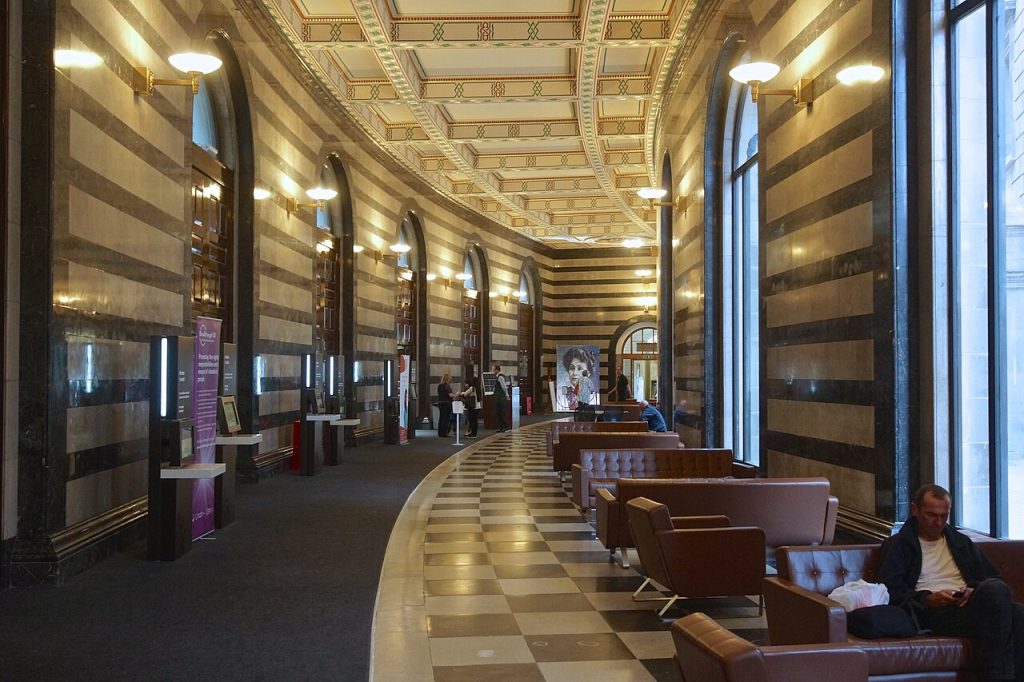
Because historical Lancashire parish registers were generated locally, they aren’t kept centrally at The National Archives. Today, discovering your ancestors requires knowing exactly where their local records ended up. Due to the massive geographic and administrative scale of the county, original Lancashire parish registers are generally split between three primary regional archives:
- Lancashire Record Office (Preston): Generally serving as the central hub for the wider historic county’s parish records.
- Manchester Central Library: The primary repository for the countless splintered parishes, chapelries, and district churches of the greater Manchester industrial area.
- Liverpool Record Office: The essential archive for tracking ancestors who lived, worked, and worshipped in the bustling maritime and industrial parishes of Liverpool.
The Marriage Trap: Hardwicke’s Act and the ‘Mother Church’
When tracing families through the booming industrial districts, you must understand how Lord Hardwicke’s Marriage Act of 1754 heavily impacted where your ancestors could legally tie the knot. While countless new, smaller chapelries were rapidly built to handle the baptisms and burials of the exploding local populations, many of these newly constructed district churches weren’t legally authorised to perform marriages under the strict rules of the 1754 Act.
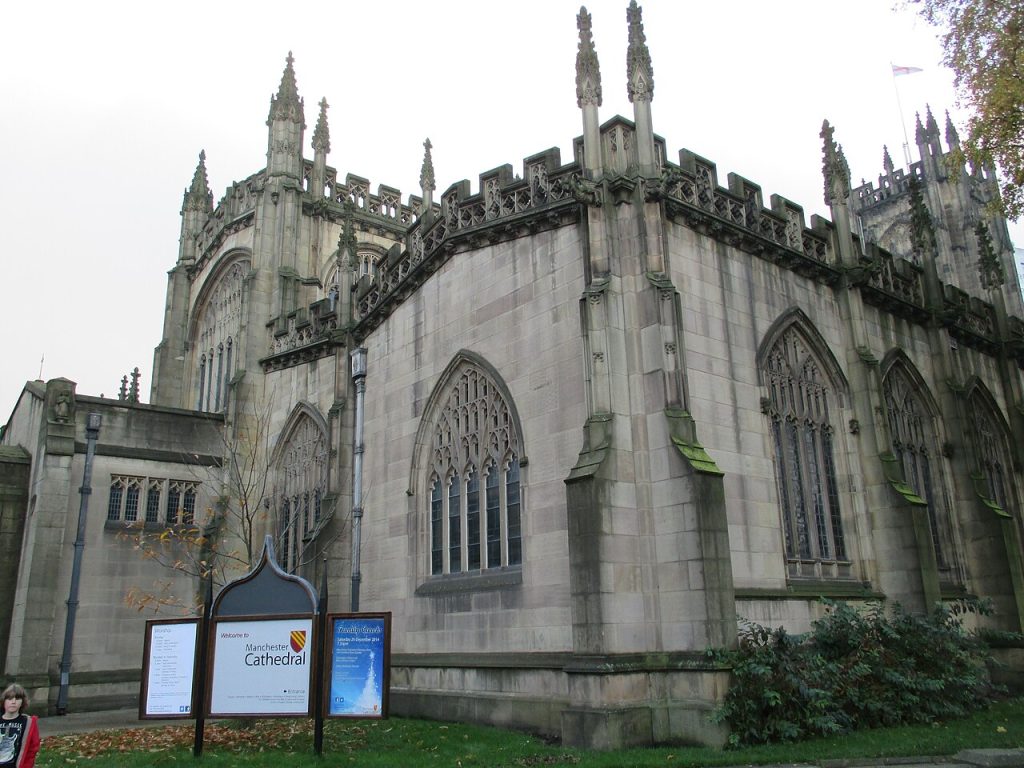
This created a massive logistical quirk for your ancestors—and a potential trap for modern researchers! It meant that until civil registration began in 1837, families living right next door to a small local chapel were still legally forced to travel into the city centre to the main, ancient “Mother Church” (such as the sprawling Manchester Collegiate Church or St. Nicholas in Liverpool) to officially wed and appear in the Lancashire parish registers.
Critical Strategy Shift: If you successfully locate your ancestor’s baptism in a tiny local district chapelry between 1754 and 1837, but can’t find their marriage in that same local register, don’t panic! You must immediately pivot your search and look within the massive, densely packed Lancashire parish registers of the central Mother Church for that district.
Bypassing Gaps with Bishop’s Transcripts (BTs)
Finally, researching in industrial Lancashire means dealing with records that saw incredibly heavy, daily use. It’s unfortunately common to finally locate the correct book only to find that the page containing your ancestor’s entry is torn, heavily water-damaged, or completely faded within the primary Lancashire parish registers.
When the original register fails you, follow this step-by-step strategy to utilise Bishop’s Transcripts (BTs) as your vital alternative paper trail:
{/* Reason: Procedural cross-referencing must follow this sequence; searching for raw files in regional diocesan archives without understanding the local parish system layout creates instant confusion. */} Bishop’s Transcripts were official, annual contemporary copies of the local Lancashire parish registers that the parish priest was required to copy out and send to the diocesan bishop every single year. Because these copies were sent directly to the bishop, they were stored in entirely separate diocesan archives rather than the local parish church chest where the primary Lancashire parish registers lived. If the original parish volume is illegible or missing a page, you can search open index platforms like FamilySearch for the surviving Bishop’s Transcript for that specific year. Because it’s a contemporary copy stored in a different location, it’ll often provide a perfectly clean, legible version of the exact same entry.
By understanding the legal pull of the central Mother Church and utilising the incredible backup system of Bishop’s Transcripts, you can confidently navigate the complex industrial landscape of early northern England.
Tracking Across the Generations: To see how your industrial families moved, grew, and changed across the modern era after leaving the church system, make sure to visit our central 1841–1921 Census Records Overview Hub to track them decade by decade.
Take the Next Step in Your Research
Ready to keep your ancestral records completely organised as you order official certificates and verify entries found within Lancashire parish registers? Use our specialist log to stay on top of your family tree research.
Frequently Asked Questions
Why can’t I find my ancestor’s 1810 baptism in the main, ancient parish church for their town?
During the Industrial Revolution, Lancashire’s population exploded, meaning the ancient parish systems couldn’t cope. To handle the boom, they split parishes into countless tiny chapelries and district churches, so your ancestor was likely baptised in a newly built local chapel just a few streets away rather than the grand old church you’d expect.
Where are the original pre-1837 Lancashire parish registers kept today?
Because Lancashire is so massive, the records aren’t in one place or at The National Archives. Instead, they’re split between three regional archives: the Lancashire Record Office in Preston for the wider historic county, Manchester Central Library for the greater Manchester area, and the Liverpool Record Office for maritime and city parishes.
Why did my ancestors travel miles into the city centre to marry when they lived next to a local chapel?
You’ve hit a logistical quirk caused by Lord Hardwicke’s Marriage Act of 1754. While many small, new chapelries could handle baptisms and burials, they weren’t legally allowed to perform weddings, meaning families were forced to travel to the area’s main ancient “Mother Church” (like the Manchester Collegiate Church) to legally tie the knot.
What should I do if the original parish register page for my ancestor is torn or completely illegible?
Don’t despair, as you can easily bypass the damaged original by using Bishop’s Transcripts (BTs) as a backup through these simple steps:
1. Identify the year: Note the exact year of the missing or damaged baptism, marriage, or burial.
2. Find the BT archive: Look for the Bishop’s Transcripts, which were official contemporary copies stored separately in diocesan archives rather than the local church.
3. Cross-reference the entry: Search the BT for that specific year to find a perfectly clean, legible version of the exact same record.

Scott Hammond is an archival detective and family history researcher who turns complex historical records into simple, easy-to-follow resources. Outside of solving centuries-old mysteries, he is a dedicated husband, father of five, and an avid British & World history buff.