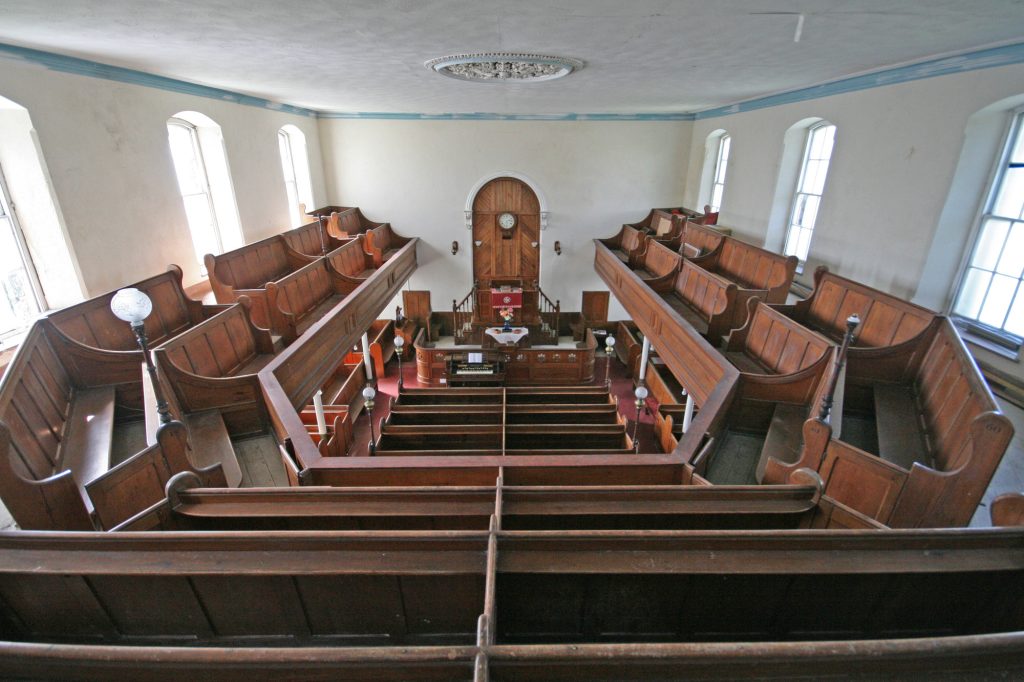
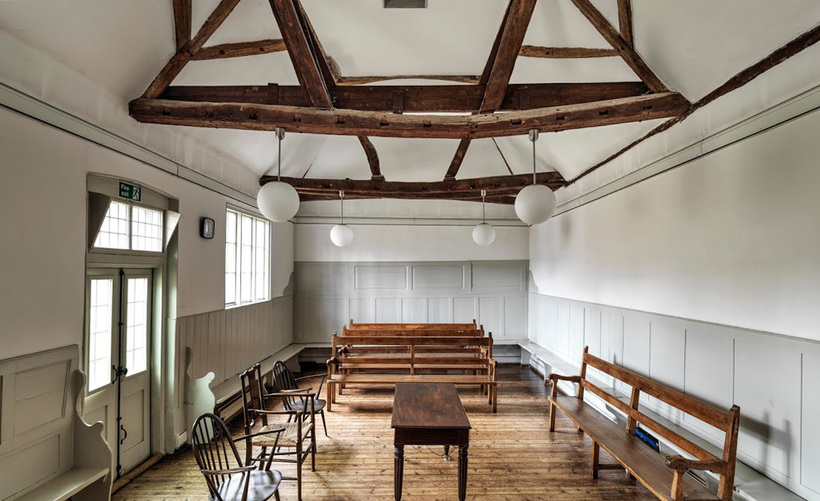
If you’ve traced your ancestors back to the era before civil registration and discovered they worshipped outside the established Church of England, you may initially fear that their vital records’re lost. Fortunately, the government made a massive effort to preserve these documents.
The RG4 series at The National Archives stands as the definitive, authenticated central collection of nonconformist registers for England and Wales. Comprising original books surrendered directly by chapels and congregations to the General Register Office, this monumental collection spans centuries, dating from 1567 right up to the introduction of nationwide civil registration in 1837. For family historians, exploring these nonconformist registers is the ultimate starting point for bypassing the standard Anglican parish volumes and unlocking your ancestral lines.
The Three Primary Protestant Denominations in RG 4
While the RG4 collection contains a diverse array of records, it’s predominantly the securely housed archive for the three primary Protestant dissenting denominations. When diving into these nonconformist registers, you’ll primarily be tracking:
- Methodists: Methodism grew rapidly during the 18th and 19th centuries, and their records form a massive portion of the available nonconformist registers. Most notably, this includes the Wesleyan Methodist Metropolitan Registry, an incredibly valuable centralised birth registry that served Wesleyan Methodists throughout England, Wales, and beyond from 1773 to 1838.
- Baptists: As one of the core Protestant dissenting groups, Baptist chapels surrendered thousands of their original congregation books to the government. These surviving books’re safely centralised within the RG4 series, helping you track down specific local Baptist networks.
- Presbyterians: Alongside the Methodists and Baptists, early Presbyterian congregations rigorously documented their communities outside the established church. Their authenticated baptism and burial records’re similarly preserved within the RG4 piece numbers.
The 1754–1837 Marriage Gap
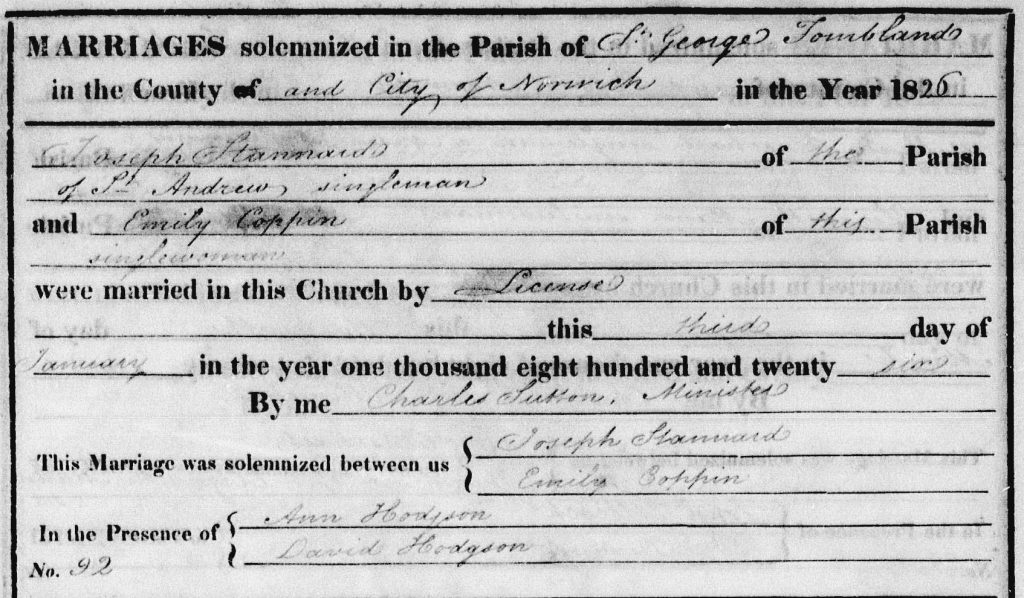
While RG4’s an absolute treasure trove for discovering births, baptisms, and burials, you must be prepared for a massive archival blindspot regarding weddings when exploring nonconformist registers. You’ll find very few marriage entries for Methodists, Baptists, or Presbyterians in this collection during the late 18th and early 19th centuries.
This gap’s entirely due to Lord Hardwicke’s Marriage Act, which came into force in 1754. This strict legislation made it a legal requirement for couples to be married within the Church of England in order for the union to be recognised. Because Methodists, Baptists, and Presbyterians weren’t granted a legal exemption from this law, they were legally forced to marry in their local Anglican parish church.
Critical Strategy Shift: When searching for the marriages of these ancestors between 1754 and 1837, you must temporarily step outside the RG4 collection of nonconformist registers and search the standard Church of England parish volumes to find their legal unions.
Step-by-Step: Geographic Search Logic in the TNA Catalogue
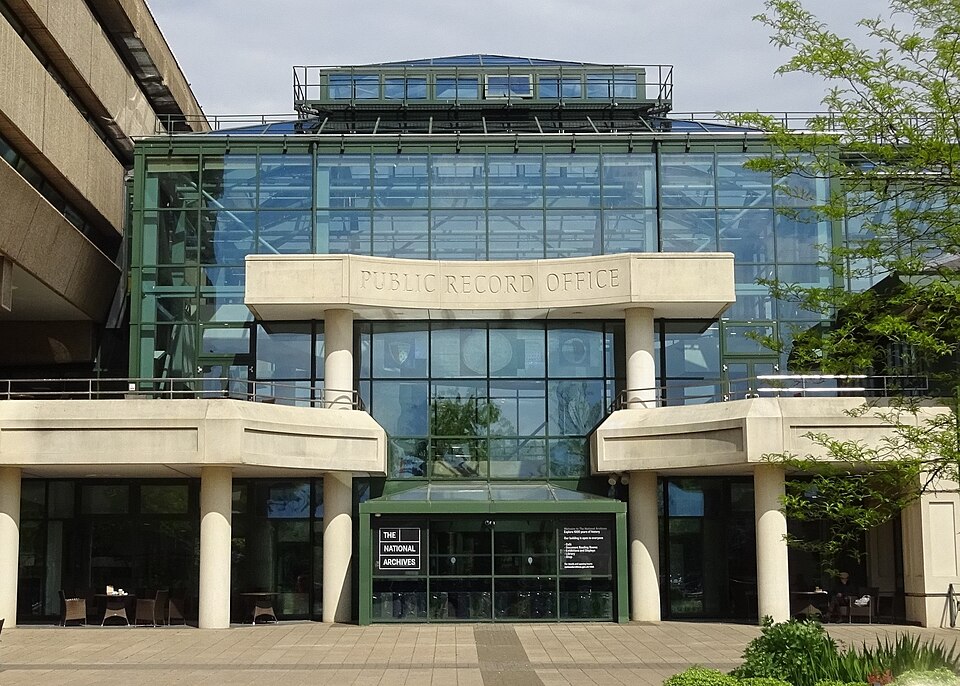
When dealing with historic non-parochial records, relying solely on an automated name search can sometimes leave you empty-handed due to un-indexed pages or transcription errors. To overcome this, your best strategy’s to pinpoint the exact “piece numbers” (the specific individual chapel books) by utilising geographical locations to filter the nonconformist registers inside The National Archives’ Discovery catalogue.
- Step 1: Define the Geography: Start with the specific geographic location where your ancestors lived. This can be a broad county, a specific town or city, or even the precise name of the local chapel if you know it.
- Step 2: Restrict Your Search: Navigate directly to the official online Discovery catalogue and ensure you restrict your search parameters specifically to the RG4 series box.
- Step 3: Combine with Boolean Logic: To find the exact book, connect your geographic location with the specific religious denomination using the capitalised word “AND”. For example, by searching terms like “Berkshire AND Methodist” or “Baptist AND Presbyterian”, you’ll instantly filter the vast catalogue to reveal the exact surviving piece numbers for your targeted nonconformist registers.
Browsing Strategies for Un-Indexed Registers
Once you’ve successfully identified the exact TNA piece number, it’s time to view the original documents. These original images’ve been fully digitised and’re accessible through partner platforms such as The National Archives, Ancestry, and FamilySearch.
If an automated name search fails you on these sites, don’t give up! You can bypass the transcription algorithms entirely by utilising the “browse this collection” feature (available on the right-hand side of the search page on platforms like Ancestry). This powerful tool allows you to systematically select the specific series, place, and denomination, taking you directly to the exact piece number within the nonconformist registers. From there, you can manually page through the original un-indexed book, entry by entry, inspecting the handwritten pages yourself.
Explore the Full Collection: For an even deeper look at the administrative machinery and historical context of these records, make sure to visit our main TNA Series RG4 Nonconformist Hub.
Take the Next Step in Your Research
Stepping away from standard Church of England parish registers to track minority faiths can feel intimidating at first, but you’re now fully equipped with the tools to succeed. Let this summary guide act as your ultimate reference map for mastering the massive RG4 series of nonconformist registers!
By understanding the core denominations, keeping the 1754–1837 marriage gap in mind, and applying these targeted geographic search strategies, you’re completely prepared to navigate the archives with confidence and uncover the hidden stories of your family tree.

Scott Hammond is an archival detective and family history researcher who turns complex historical records into simple, easy-to-follow resources. Outside of solving centuries-old mysteries, he is a dedicated husband, father of five, and an avid British & World history buff.