If you’re tracking your ancestors in Yorkshire before the nationwide system of civil registration began in 1837, you’re going to need a highly specialised research strategy.
Yorkshire’s historically the largest county in England by a vast margin. Because of its immense geographic scale and its incredibly fragmented archival landscape, successfully finding your ancestor’s pre-1837 baptism, marriage, or burial requires much more than simply looking up a single, centralised county archive. To truly break down your brick walls, you must master the various Yorkshire parish registers and regional repositories.
Table of Contents
Navigating the ‘Three Ridings’
The most crucial fact to understand about historical northern research is that there’s no such thing as a single “Yorkshire Record Office.” To effectively manage its vast territory, the historic county was divided into three entirely distinct administrative blocks known as the “Three Ridings”: the North Riding, the East Riding, and the West Riding.
Each of these three ridings operated almost like its own independent county, managing its own administrative affairs and keeping its local Yorkshire parish registers completely separated from the others. For the practical family historian, this means you must first pinpoint exactly which of the Three Ridings your ancestor lived in. Knowing this geographic detail’s the only way to determine which of the several modern regional archives currently holds their specific book.
The Borthwick Institute: The Ultimate Diocesan Hub
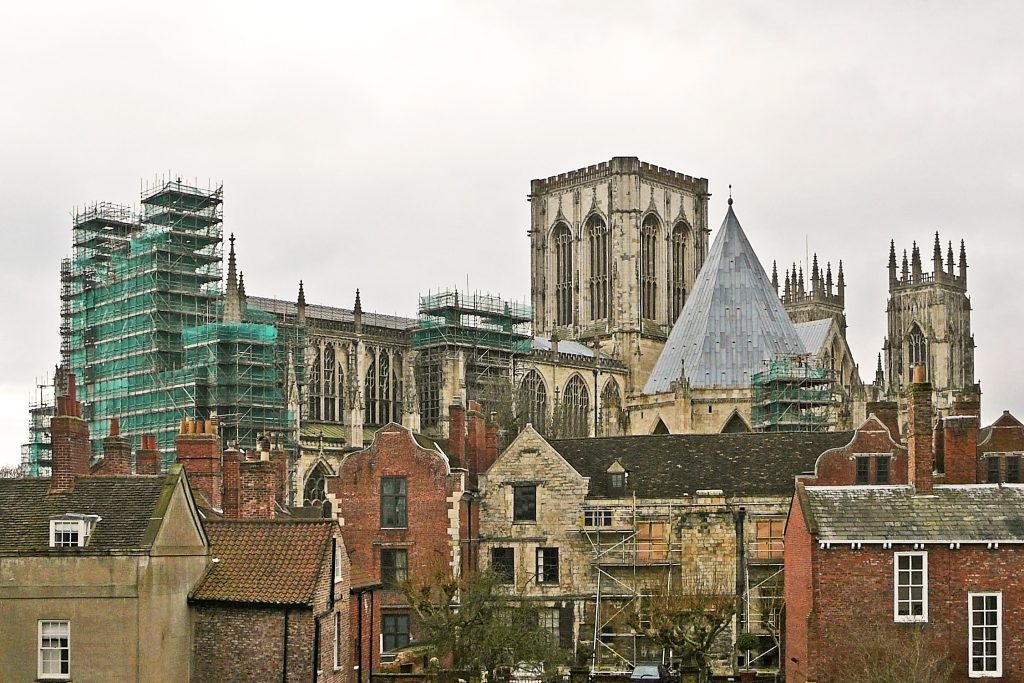
While the original local church books are scattered across the various archives of the individual ridings, there’s one monumental central repository every researcher must know about: the Borthwick Institute for Archives in York.
Because the historic city of York was the seat of the Archbishop, the Borthwick Institute serves as the central repository for the Archbishop of York’s massive diocesan records. If your ancestor’s local entry in the primary Yorkshire parish registers has been lost or is illegible, or if you’re trying to track down elusive pre-1858 wills and probate disputes, the Borthwick Institute’s your absolute ultimate destination.
It securely houses the crucial diocesan-level backup copies (such as the Bishop’s Transcripts) and overarching legal records for the entire region, providing you with a powerful alternative paper trail to track down your elusive ancestors!
Understanding ‘Peculiar Jurisdictions’

While navigating the Three Ridings and the Borthwick Institute covers the vast majority of your research, you must be prepared for a major legal anomaly when searching historic Yorkshire parish registers: ‘Peculiar Jurisdictions’.
These were specific parishes or small pockets of land that were completely exempt from the standard authority of the local Bishop or Archbishop. Instead of answering to the traditional church hierarchy, these areas answered directly to independent entities, such as the Crown, specific deans, or local lords of the manor.
The Massive Research Warning
Because these ‘Peculiars’ were legally independent, you must approach them with a massive research warning! Their administrative paperwork bypassed the standard system entirely. Their Yorkshire parish registers, Bishop’s Transcripts, and local wills weren’t sent to the standard diocesan archives alongside their neighbouring parishes. Instead, they were kept in entirely separate, isolated bundles.
This administrative quirk is exactly why an ancestor might seem completely missing from standard county-wide databases. If they lived just a few streets over in a Peculiar Jurisdiction, their records were filed in a completely different legal bucket!
Step-by-Step: Outsmarting a Peculiar Jurisdiction
If standard searches are failing you and your ancestor has seemingly vanished from the primary Yorkshire parish registers, follow this step-by-step strategy to outsmart these hidden jurisdictions:
- Step 1: Define the Location: Pinpoint the exact parish, village, or estate where your ancestor lived or worked to determine if it falls under an independent jurisdiction.
- Step 2: Check Local Catalogs: Cross-reference that specific location with local county archive catalogues. Look closely to see if the parish carries a ‘peculiar’ label or is explicitly listed under a unique legal jurisdiction distinct from standard Yorkshire parish registers.
- Step 3: Browse by Specific Parish: When searching partner websites like Ancestry or FamilySearch, don’t rely on a broad, automated name search across the whole county. Instead, use their advanced tools to navigate directly to that specific Peculiar parish page. By using the specific parish browsing features, you can bypass the main algorithms and manually page through the handwritten images of the Yorkshire parish registers yourself.
By understanding the absolute legal independence of these unique pockets of land and systematically adjusting your search strategy to target them, you can confidently outsmart the archives and uncover the hidden family details that other researchers simply miss!
Mastering the Timeline: Finding an ancestor in a sprawling record is much easier when you’ve a solid chronological anchor. Head back to our core 1841–1921 Census Records Overview Hub to map out your ancestor’s decade-by-decade movements after they left the parish system.
Take the Next Step in Your Research
Ready to keep your ancestral records completely organised as you order official certificates and verify entries found within Yorkshire parish registers? Use our specialist log to stay on top of your family tree research.
Frequently Asked Questions
Why isn’t there a central record office that holds all Yorkshire parish registers?
Because Yorkshire’s historically the largest county in England by a vast margin, managing its records centrally was impossible. Instead, the county was split into three distinct administrative blocks known as the North, East, and West Ridings, which means you’ll need to know which riding your ancestor lived in to find the correct modern regional archive.
What is the Borthwick Institute and why do I need to use it for my Yorkshire research?
The Borthwick Institute for Archives in York is the central repository for the Archbishop of York’s massive diocesan records. It’s an absolute lifesaver if your ancestor’s original local register has been lost or damaged, as it securely houses the diocesan backup copies, like Bishop’s Transcripts, for the entire region.
What on earth is a “Peculiar Jurisdiction” and why is it hiding my ancestor’s records?
Peculiars were specific parishes or small pockets of land that were completely exempt from the standard authority of the local bishop. Because they answered to independent entities like the Crown or local lords, their church registers and wills bypassed the standard system entirely, meaning their records sit in completely different legal collections.
How can I find my family if they lived inside one of these hidden Peculiar Jurisdictions?
If a broad, automated name search across Yorkshire leaves you completely empty-handed, you can outsmart the system by following these simple steps:
1. Pinpoint the spot: Note down the exact village, parish, or estate where your ancestor lived.
2. Check the archives: Cross-reference that location with local Yorkshire archive catalogues to see if it carries a “peculiar” label.
3. Bypass the main search: Head to partner sites like Ancestry or Findmypast and avoid using a broad county-wide search tool.
4. Browse the parish directly: Use their advanced tools to navigate straight to that specific Peculiar parish and manually page through the digitized images yourself.

Scott Hammond is an archival detective and family history researcher who turns complex historical records into simple, easy-to-follow resources. Outside of solving centuries-old mysteries, he is a dedicated husband, father of five, and an avid British & World history buff.