If you’re researching ancestors who lived in the bustling capital before the advent of centralised civil registration in 1837, you’ll need to rely heavily on local church books. Because government-issued birth, marriage, and death certificates simply didn’t exist prior to this date, these historical collections of baptisms, marriages, and burials are absolutely vital for pushing your family tree back into the early 19th century and beyond. To unlock these lines, you must master the surviving London parish registers.
However, tracking down your capital ancestors requires navigating a complex and historically divided archival landscape. Rather than being housed in a single centralised building, the original London parish registers are split across three distinct repositories based on historic geographic boundaries.
Table of Contents
Navigating the Capital’s Split Repository System

To locate your ancestor’s records efficiently, you must understand how these archives are split:
- The London Archives (formerly the London Metropolitan Archives / LMA): This massive repository holds the primary London parish registers for the former wider counties of London and Middlesex, covering over 700 different churches. Crucially, this collection strictly covers the surrounding capital areas and excludes the ancient Cities of London and Westminster.
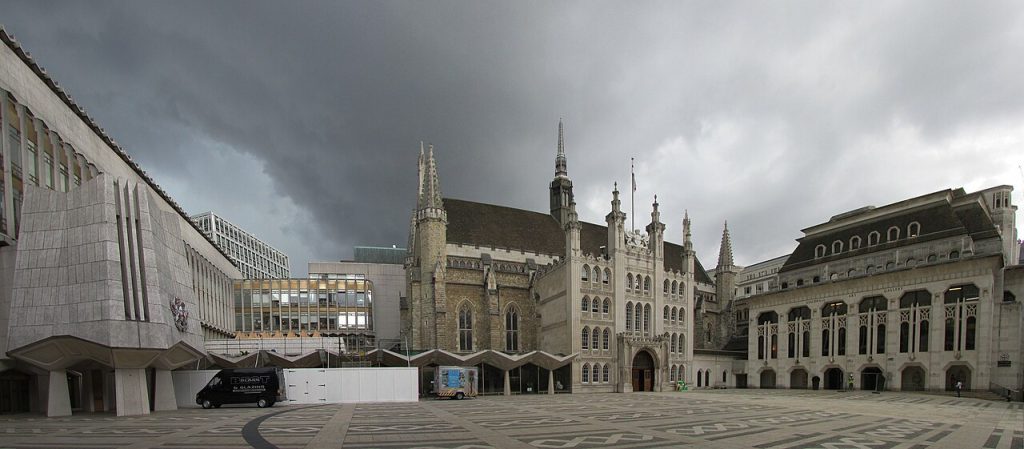
- Guildhall Library: If your ancestors lived, worked, or married right in the heart of the capital within the historic “Square Mile,” you must direct your search here. The Guildhall Library specifically holds the original London parish registers for the City of London.
- Westminster Archives Centre: For families residing in the ancient City of Westminster, their original church records are maintained separately at the Westminster Archives Centre.
The incredibly encouraging news for modern family historians is that you rarely need to plan a physical trip to these archives to make a breakthrough. The vast majority of the Church of England collections held by both The London Archives and the Guildhall Library have been fully digitised and are readily searchable online via open platforms like Ancestry, allowing you to uncover early vital events right from home.
The Turning Point: Lord Hardwicke’s Marriage Act of 1754
When navigating these historic collections, the single most important piece of legislation you must understand is Lord Hardwicke’s Marriage Act, which came into force in 1754. This law fundamentally changed how ancestors recorded their marriages and will directly impact where you look inside London parish registers.
Prior to 1754, local parish priests frequently recorded baptisms, marriages, and burials haphazardly within a single, unstandardised book. Marriage entries were notoriously sparse—often just a single line of text, and sometimes even written in Latin. Hardwicke’s Act revolutionised this system by forcing marriages to be recorded in entirely separate, pre-printed bound register books. For the genealogist, this was a massive upgrade: the new standardised books mandated the signatures (or marks) of the bride, the groom, the officiating minister, and at least two witnesses, while also noting the parish of residence.
Step-by-Step Logic: Navigating the 1754 Legal Shifts
Because this Act impacted various groups differently, you need a clear strategy to trace your ancestors through this transitional era:
- Step 1: Check for Nonconformist Marriages in Anglican Books: If your ancestors were Nonconformists—such as Methodists, Baptists, or Presbyterians—the 1754 Act legally forced them to marry in the established Church of England to be valid. You must look inside standard Anglican London parish registers to find their weddings between 1754 and 1837.
- Step 2: Isolate Quaker Records Centrally: If your ancestors were Quakers, remember they held a unique exemption from the Act. Their marriages weren’t recorded in the standard Anglican London parish registers, but were kept within their own meeting books, now stored at The National Archives under the RG 6 series.
- Step 3: Search the Fleet Registers Before 1754: If your ancestors married before 1754 and vanished from local registers, they may have used the capital’s booming “clandestine” trade around the Fleet Prison to avoid banns or licences. Search these specific Fleet Registers centrally before checking standard London parish registers.
By keeping the 1754 Hardwicke’s Act in mind, you’ll know exactly when to look for your ancestors’ authentic signatures, when to pivot to an Anglican church for a Methodist marriage, and how to confidently trace your roots back through the centuries!
Urban Troubleshooting Gaps: If your capital ancestors suddenly vanish from the traditional churchyard burial entries during the mid-19th century public health crisis, they likely moved to the state-run grounds detailed in our TNA Series WORK 97 Closed Metropolitan Cemeteries Guide. For a complete chronological timeline of your family’s urban migration patterns, head back to our central 1841–1921 Census Records Overview Hub.
Take the Next Step in Your Research
Ready to keep your ancestral records completely organised as you order official certificates and verify entries found within London parish registers? Use our specialist log to stay on top of your family tree research.
Frequently Asked Questions
Why aren’t all pre-1837 London and Middlesex parish registers kept in one single building?
Because the capital’s historic and geographic boundaries are so vast, the records are split across three different repositories. The London Archives holds registers for the wider counties of London and Middlesex, the Guildhall Library keeps records for the historic “Square Mile” City of London, and the Westminster Archives Centre maintains entries for the City of Westminster.
Can I view these London and Middlesex church registers online without traveling to the archives?
Yes, you absolutely can, which is fantastic news for your research! The vast majority of the Church of England registers held by both The London Archives and the Guildhall Library have been fully digitised and are readily searchable online via Ancestry.co.uk.
Why do London marriage records suddenly get much more detailed after 1754?
You’ve hit the turning point of Lord Hardwicke’s Marriage Act of 1754, which forced churches to stop scribbling unstandardised notes and start using pre-printed bound register books instead. This was a massive upgrade for family history because it mandated a separate book that recorded the parish of residence, alongside the signatures or marks of the bride, groom, minister, and at least two witnesses.
What were the “Fleet Registers” and why did Londoners use them before 1754?
Before Lord Hardwicke’s Act outlawed the practice, couples frequently flocked to areas around the Fleet prison to get an irregular, clandestine marriage from an organised clergyman. This booming trade allowed couples to quickly and cheaply tie the knot while avoiding the publicity and expense of standard church banns or licences, creating over 200,000 hidden records between 1667 and 1754.
Where should I look for my Methodist ancestor’s London wedding record between 1754 and 1837?
Even if your ancestors were devoutly nonconformist, Lord Hardwicke’s Marriage Act legally forced all Methodists, Baptists, and Presbyterians to marry inside the established Church of England for their union to be valid. Unless your ancestors were Quakers, you’ll need to step away from the chapel books and search the standard Anglican parish registers to find their wedding document.

Scott Hammond is an archival detective and family history researcher who turns complex historical records into simple, easy-to-follow resources. Outside of solving centuries-old mysteries, he is a dedicated husband, father of five, and an avid British & World history buff.