When tracing ancestors prior to the mid-19th century, family historians often rely solely on the baptism, marriage, and burial entries found in standard church registers. However, there’s a much deeper layer of parish history waiting to be discovered inside the physical churchyard box itself by exploring historical parish chest records.
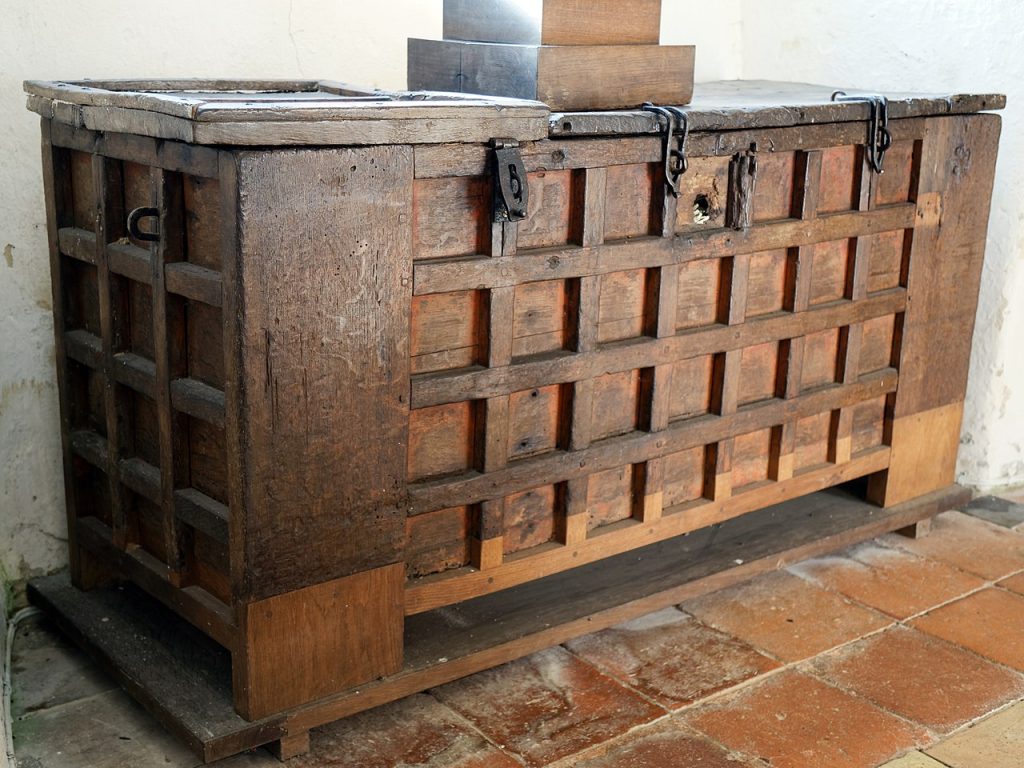
Historically, the parish chest was a literal, physical wooden or iron box kept securely within the local church. To ensure its contents were protected, the chest was secured with three separate locks, with the keys held independently by the local parson and the two churchwardens. This robust chest held all the vital administrative, financial, and legal papers of the parish. This localised system of parish administration and poor relief operated intensely from the time of the Elizabethan Poor Laws of 1597 and 1601 right up until the Old Poor Law was fundamentally overturned by the Poor Law Amendment Act in 1834.
Table of Contents
Unlocking the Accounts: Placing Your Ancestors in Time and Place
For the genealogist, the documents originally housed within these chests offer immense value, allowing you to place your ancestors in a highly specific time and place far beyond a basic baptismal date. Two of the most rewarding collections of parish chest records to explore are:
- Churchwardens’ Accounts: These invaluable records detail the collection of local church rates alongside the everyday, fascinating expenses of running the parish. You might find entries for maintaining the church fabric, buying bread and wine, or even paying local bounties for vermin. Spotting your ancestor paying a rate or receiving a payment in these accounts is a fantastic way to definitively place them in a specific parish during a specific year.
- Overseers of the Poor Accounts: If your ancestors fell on hard times, the Overseers’ accounts can provide a deeply moving snapshot of their lives. These meticulous logs track regular financial payments—often referred to as “outdoor relief” or pensions—given to the sick, elderly, and widowed. They also record casual, one-off payments provided to the poor for essential items like clothing, shoes, or even coffins.
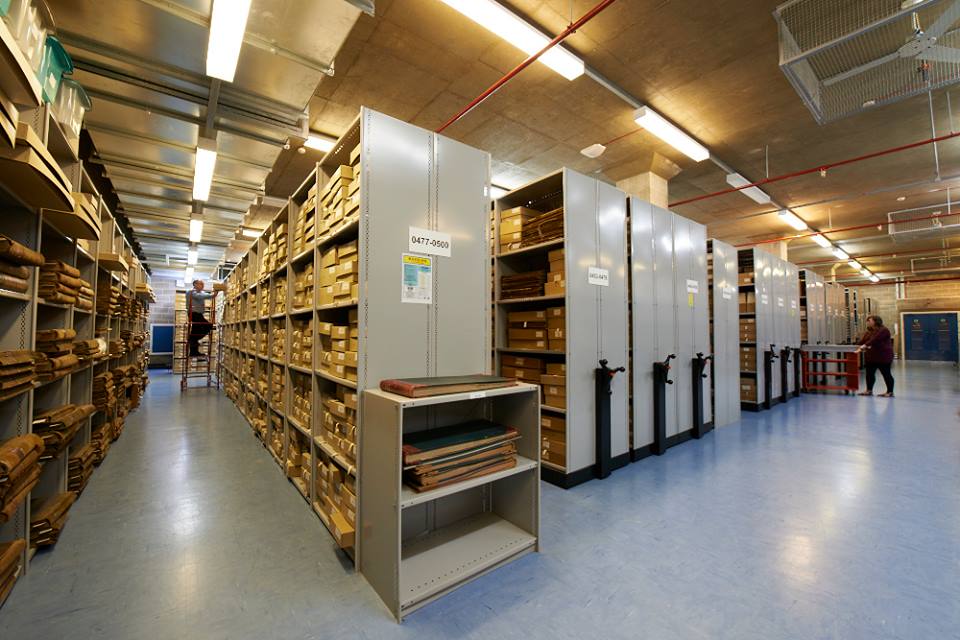
While these incredibly detailed documents were originally stored in the three-locked chests at the local church, you don’t need to search the church basements to find them today. For preservation purposes, these original parish chest records have been safely removed and are now almost exclusively held at local County Record Offices.
Navigating the 1662 Settlement Act Records
To truly master parish chest records, you must understand the laws that governed your ancestors’ movements. Under the 1662 Settlement Act, the local parish strictly controlled who was legally entitled to receive financial support. Crucially, individuals could only claim poor relief in their official “parish of legal settlement”. As our ancestors frequently migrated between villages and towns in search of work, this legal requirement generated a highly detailed paper trail to prove exactly where they belonged.
If your ancestor’s right to poor relief was ever questioned, they’ll likely appear in these highly valuable legal parish chest records:
- Settlement Certificates: If your ancestor wanted to move to a new area for work, they often carried a Settlement Certificate issued by their original home parish. This document served as a financial guarantee, promising that the home parish’d take the individual back if they ever fell on hard times, thereby protecting the new parish from having to pay for their relief.
- Settlement Examinations: These records are an absolute genealogical goldmine! If a migrant’s legal settlement was in doubt, they were forced to give a detailed, sworn deposition before a local magistrate. To prove their settlement status, your ancestor’d to recount their entire life history, explaining exactly where they were born, who they married, who they had worked for, and how much rent they paid. There’s simply no better record for tracking a highly mobile ancestor across county lines.
- Removal Orders: If an ancestor became destitute and applied for poor relief in a parish where they didn’t have legal settlement, the local magistrate’d issue a Removal Order. This harsh legal mandate physically forced the impoverished individual—and often their entire family—to return to their official home parish.
Step-by-Step Logic: Locating Parish Chest Documents
Because these documents are highly local, relying on broad name indexes on big genealogy databases can sometimes lead to dead ends. To systematically hunt down these parish chest records, follow these three clear steps:
- Step 1: Identify the Parish and Modern Archive: Pinpoint the exact parish where your ancestor lived, then use the Discovery Catalogue at The National Archives to determine which modern County Record Office holds that specific parish’s administrative collection.
- Step 2: Filter by the Local Catalogue Codes: Once you know the correct archive repository, search their local online catalogue specifically for the parish’s collection. Look closely for catalogue sections or codes labeled as “Parish Administration”, “Overseers of the Poor”, “Churchwardens’ Accounts”, or “Settlement Papers” to locate the preserved parish chest records.
- Step 3: Search Partner Databases and Browse Images: Many County Record Offices have partnered with platforms like Ancestry or Findmypast to index their local parish chest records. If a general search fails to find your ancestor, use the database’s advanced search options to restrict your search to the specific county archive, and browse the original document images page by page to locate the handwritten signatures and accounts.
By utilising these incredibly rich Settlement Act records alongside the financial accounts, you can reconstruct the trials, migrations, and daily realities of your ancestors’ lives. Reach out to the relevant local County Record Office today to uncover the remarkable history hiding inside the parish chest!
Map the Multi-Generational Timeline: Reconstructing the daily trials and migrations found in the parish chest records is significantly more rewarding when combined with modern schedules. Return to our main 1841–1921 Census Records Overview Hub to watch your ancestor’s household footprint unfold every ten years.
Take the Next Step in Your Research
Ready to keep your ancestral records completely organised as you order official certificates and verify entries found within parish chest records? Use our specialist log to stay on top of your family tree research.
Frequently Asked Questions
What on earth is a “parish chest” and why does it hold records beyond baptisms and burials?
Historically, the parish chest was a literal wooden or iron box secured with three separate locks kept in the local church to store administrative, financial, and legal papers. It’s a goldmine for family history because it holds all the local records of poor relief, churchwardens’ financial accounts, and migration paperwork from 1597 up until 1834.
Where are these historic parish chest records kept today and can I search them?
To make sure they’re safely preserved, these original documents have been removed from local church chests and are now almost exclusively held at local County Record Offices. Many of these archives have partnered with sites like Ancestry or Findmypast to digitise and index these collections, so you can often view the handwritten pages online.
What is a “Settlement Examination” and why is it considered a genealogical goldmine?
If your ancestor’s right to live in a new parish was ever questioned, they were legally forced to give a sworn statement about their life to a magistrate. This document is incredibly valuable because your ancestor had to recount their entire life story, explaining exactly where they were born, who they married, who they worked for, and where they had previously lived.
How do I find my ancestor’s parish chest records without getting overwhelmed by millions of results?
Relying on broad name searches can lead to frustrating dead ends, so you can easily track down these highly local records by following these three clear steps:
1. Identify the modern archive: Pinpoint your ancestor’s local parish, then search the online Discovery Catalogue at The National Archives to find which County Record Office holds that parish’s collection.
2. Filter by the local catalogue codes: Go to that specific record office’s website and search their catalogue for sections marked “Parish Administration”, “Overseers of the Poor”, or “Settlement Papers”.
3. Browse partner databases: Head to partner sites like Ancestry or Findmypast, restrict your search specifically to that county’s archive collection, and browse the original document images page by page to locate your ancestor’s name.

Scott Hammond is an archival detective and family history researcher who turns complex historical records into simple, easy-to-follow resources. Outside of solving centuries-old mysteries, he is a dedicated husband, father of five, and an avid British & World history buff.