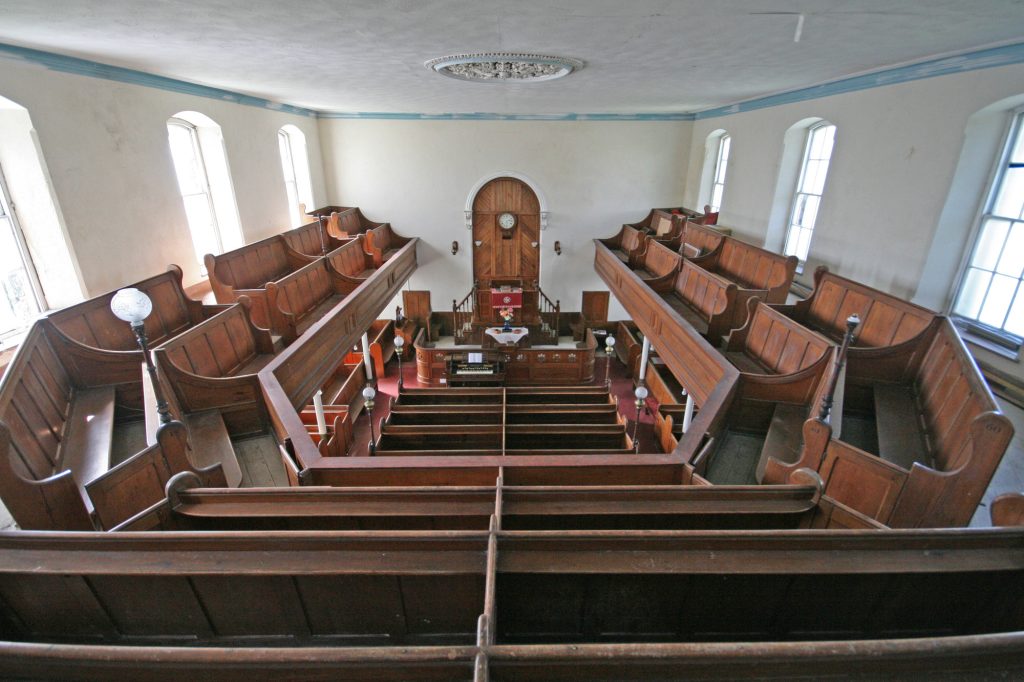
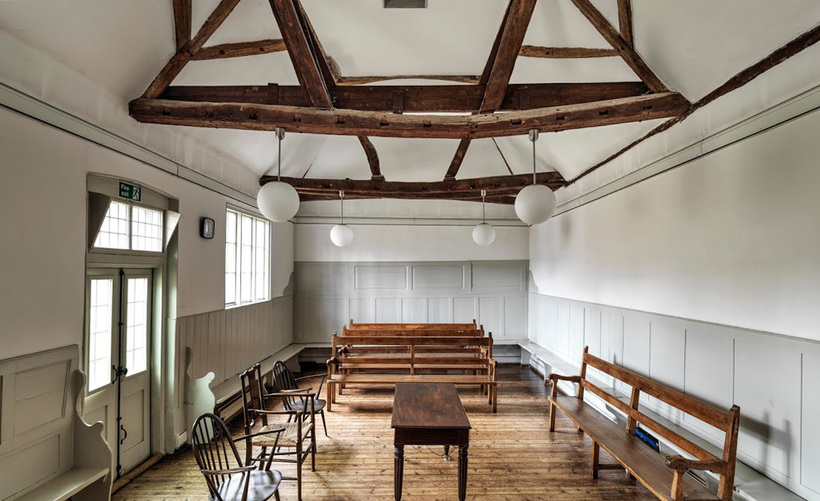
For family historians tracing Protestant Dissenters ancestors—such as Baptists, Presbyterians, and Independents—hitting a brick wall before 1837 is a common challenge. Prior to the start of civil registration in England and Wales in 1837, vital events were primarily recorded in local parish registers. However, nonconformists were those who did not belong to the established Church of England. If a local chapel did not keep a register, or if that register has been lost to time, you might assume your ancestor’s birth went entirely unrecorded.
This is where the Protestant Dissenters’ Registry of Births from Dr Williams’ Library becomes a vital lifeline. Operating as a centralised birth registry for Protestant Dissenters throughout England, Wales, and elsewhere, this registry actively recorded non-Anglican births from 1716 up until 1837.
Table of Contents
The Immense Genealogical Value of Dr Williams’ Library
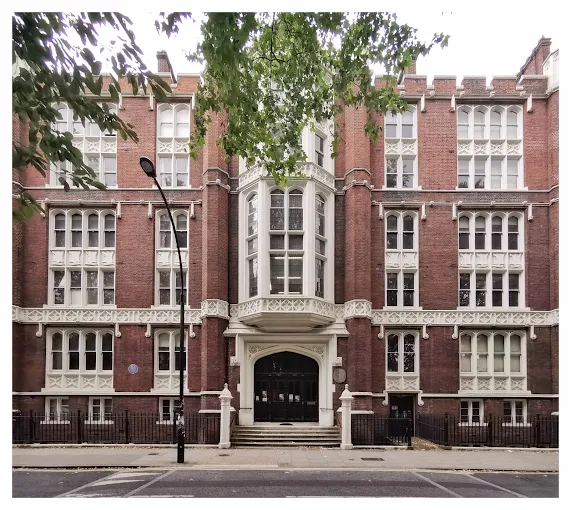
For family historians tracking Protestant Dissenters, the documents held within this registry offer immense genealogical value that often surpasses standard local records. Unlike basic parish baptism entries that might only list a father’s name and a date, Dr Williams’ Library certificates were designed to be robust, legally recognised records.
The original parchment certificates for Protestant Dissenters typically required highly specific identifying details, most notably the mother’s maiden name and the signatures of witnesses who were physically present at the birth. This allows researchers to definitively link maternal lines and identify extended family members or midwives.
Step-by-Step: Searching the Registry via the RG4 Series
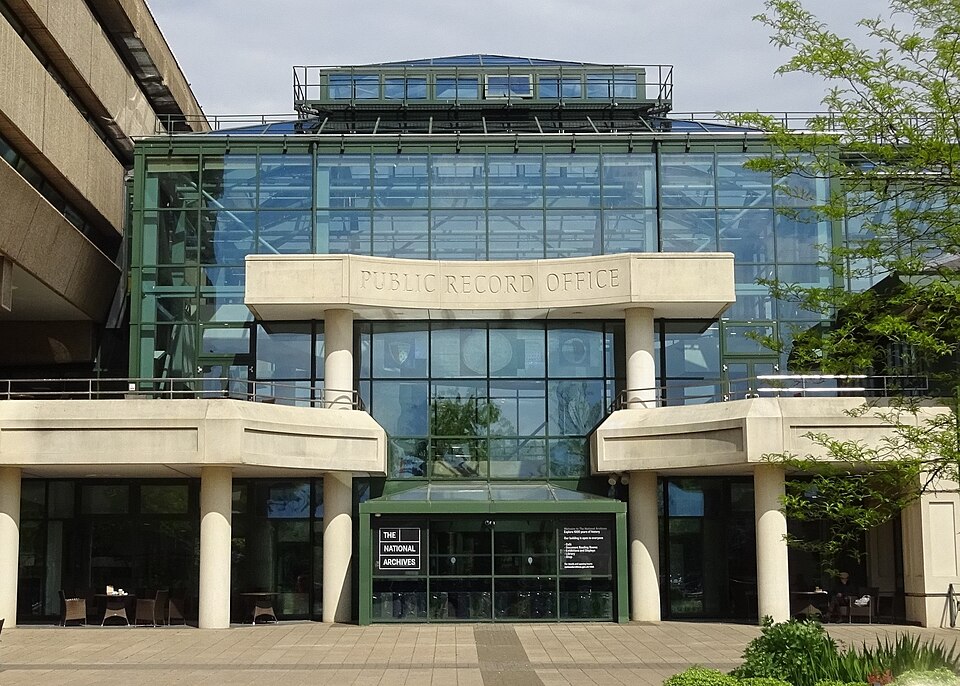
When civil registration began in 1837, and again in 1857, the General Register Office collected thousands of these nonconformist registers and registries. Today, the records for protestant dissenters are safely centralised at The National Archives under the catalogue series RG 4 and RG 5.
Here is how you can systematically track down these original certificates online:
- Step 1: Access the Digitized Collections: You do not need to visit Kew to view these records. The RG 4 and RG 5 series have been fully digitised and are available to search for your Protestant Dissenters through partner websites like Ancestry, The Genealogist, and BMDregisters.
- Step 2: Utilize Advanced Search Functions: When searching on BMDregisters, make sure to use the “advanced search” option and specifically click the “RG Books” tab to narrow your search to these central registry books. On The Genealogist, you can similarly use the “Advanced Search” option to filter your results.
- Step 3: Search by Denomination and Geography: If you are trying to locate records for a specific area using The National Archives’ Discovery catalogue, search by place (such as a county, town, or city) and combine it with the denomination. By using the word “AND” between terms (for example, searching “Baptist AND Presbyterian” or “Independent”), you can filter for exact matches of protestant dissenters within the RG 4 series.
- Step 4: Browse the Original Images: Because transcriptions can sometimes contain errors, always verify the original parchment images of your protestant dissenters. On Ancestry, use the highly useful “browse this collection” feature on the right-hand side of the search page to manually page through the registry by selecting the exact series, place, and denomination.
Bypassing the Parish System: The Dr Williams’ Library certificates are a fantastic resource for identifying maternal lines of protestant dissenters. To see how these records fit into the wider landscape of surrendered chapel books, head back to our main TNA Series RG4 Nonconformist Hub.
Take the Next Step in Your Research
Locating these pre-1837 birth certificates requires careful attention to dates, locations, and RG piece numbers. Do not let these incredibly detailed records for protestant dissenters slip through the cracks of your family tree!
Frequently Asked Questions
What exactly was Dr Williams’ Library and how can it help my family history research?
It was a brilliant, centralised registry system operating in London from 1716 to 1837 that specifically recorded non-Anglican births across England and Wales. It’s an absolute lifeline if your Protestant Dissenter ancestors belonged to a chapel whose local registers were completely lost or never kept in the first place.
Why are Dr Williams’ Library certificates better than standard parish baptism records?
Unlike basic parish entries that might only give you a father’s name, these original parchment certificates were designed to be robust, legally recognised documents. They’re an absolute goldmine because they explicitly include the mother’s maiden name and the signatures of witnesses who were physically present at the birth.
Where are the Dr Williams’ Library records kept today and can I view them online?
When civil registration started, the government gathered up these records and centralised them at The National Archives under the RG 4 and RG 5 series codes. You don’t need to travel to Kew to see them, as they’ve been fully digitised and are available on partner sites like Ancestry, The Genealogist, and BMDregisters.
How do I track down my ancestor’s original certificate in this collection?
You can easily navigate these databases and outsmart any transcription errors by following these simple steps:
1. Filter your database: Go to partner websites like BMDregisters or The Genealogist and use the advanced search tools to specifically target the “RG Books” collections.
2. Narrow the geography: If you’re searching the main archive catalogue, combine your target town with the denomination using a capitalised “AND” (for example, “Baptist AND Presbyterian”).
3. Browse the collection: Head over to Ancestry, use the “browse this collection” tool on the right-hand side of the page, and select the exact series and place.
4. Verify the image: Manually page through the registry to look at the original parchment image, ensuring you don’t miss handwritten details or witness signatures.

Scott Hammond is an archival detective and family history researcher who turns complex historical records into simple, easy-to-follow resources. Outside of solving centuries-old mysteries, he is a dedicated husband, father of five, and an avid British & World history buff.