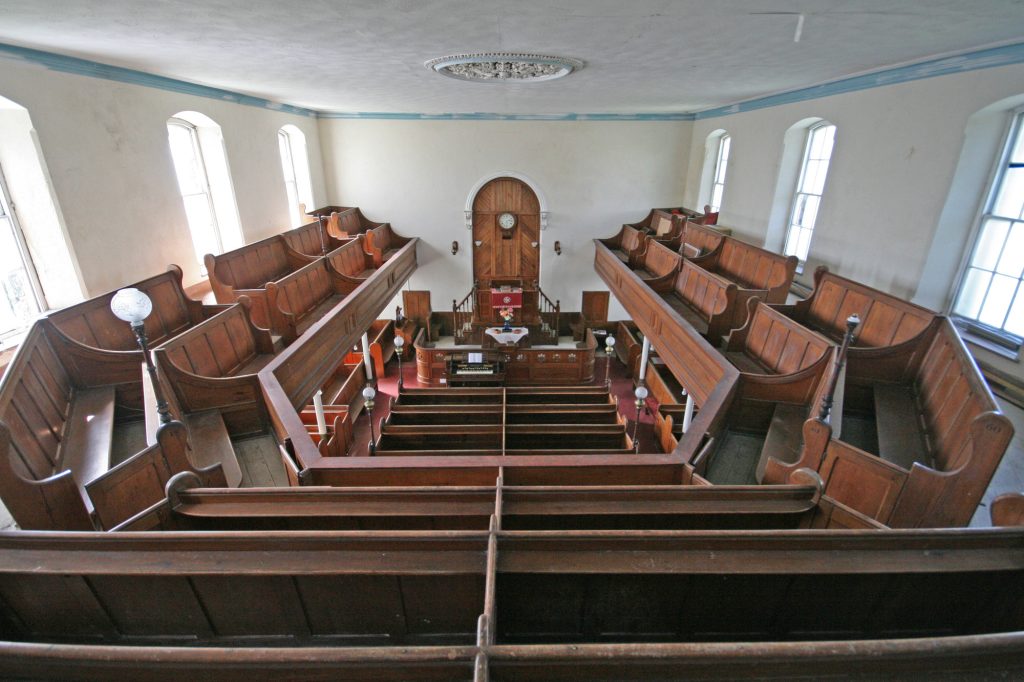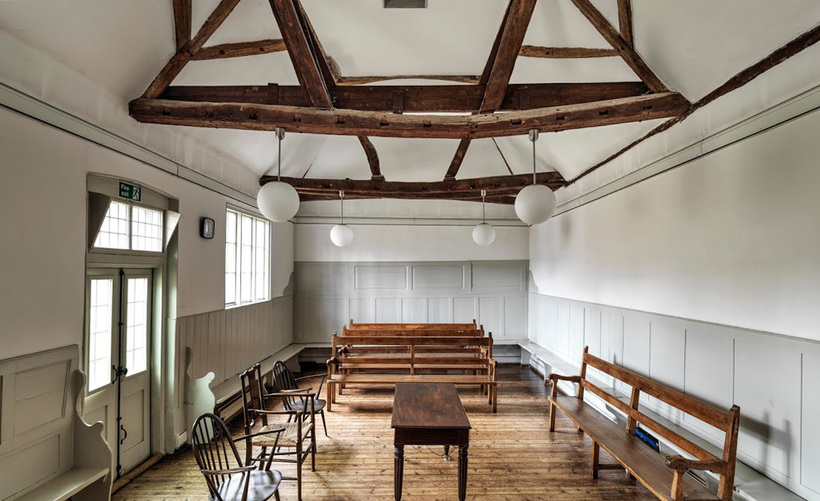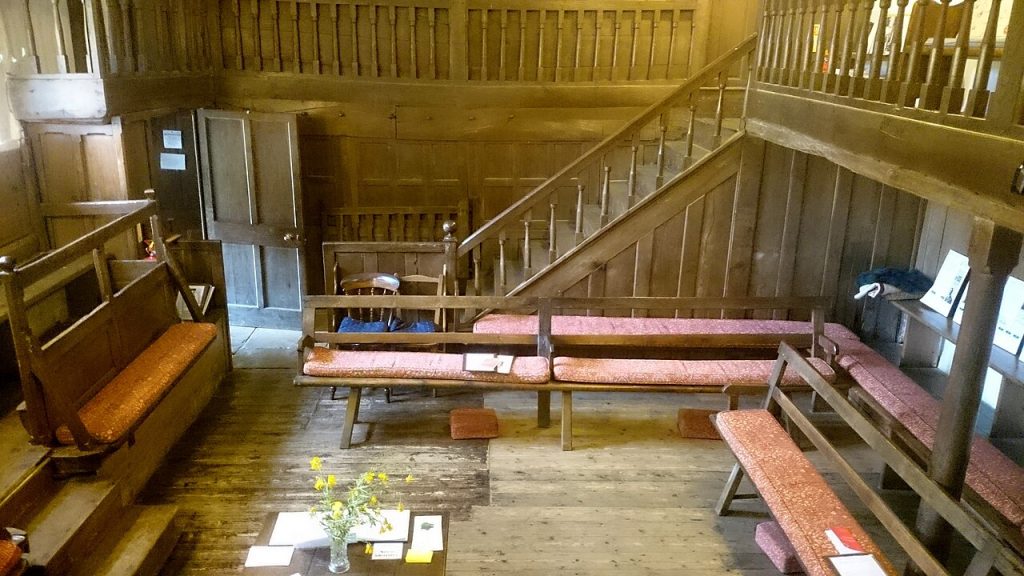
While our foundational guide explores the rich cultural and family side of Quaker records—such as mapping extended networks through witness signatures—this guide takes a different, structural approach. Here, we present a strict chronological timeline of the administrative and legal shifts that affected historical Quaker registers families relied on between 1656 and 1837.
By understanding the underlying legal mechanics of these Quaker registers, you can more accurately navigate the vast archives of the Society of Friends.
Table of Contents
1656–1754: The Early Systematic Era
Long before the government took an interest in centralised civil registration, the Religious Society of Friends (Quakers) maintained meticulously detailed, non-parochial records to track their communities outside of the established Church of England.
Founder George Fox established a highly rigorous, internal system of record-keeping across Monthly Meetings decades before government intervention, creating what’s arguably the cleanest pre-parish paper trail in Britain. This early systematic approach ensured that early Quaker registers captured births, marriages, and burials with an incredible level of detail, providing modern researchers with a robust, highly organised alternative to standard Anglican parish registers during this period.
1754–1837: The Hardwicke Exemption Era
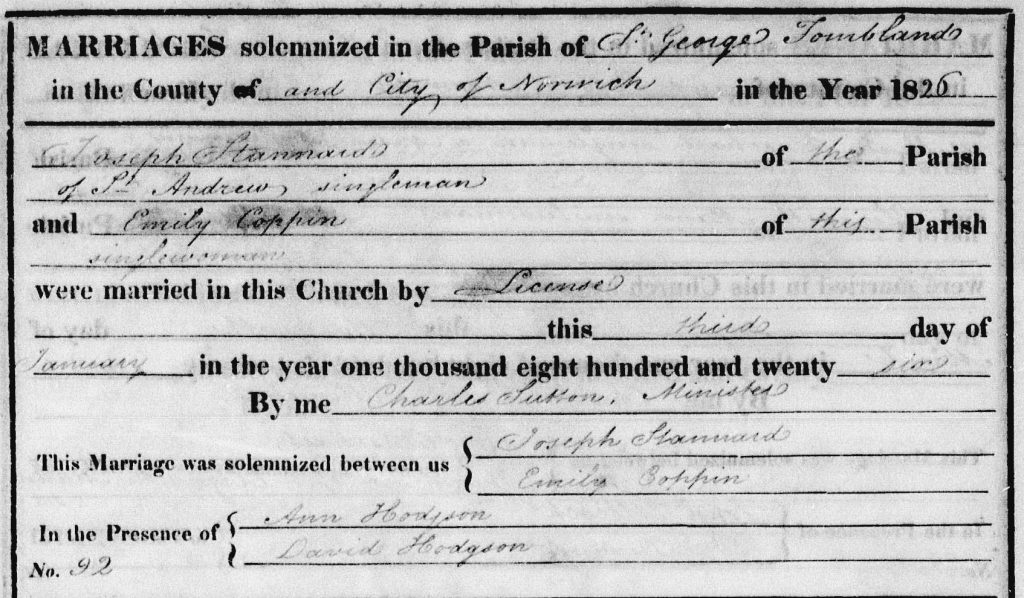
The second major timeline era is defined by a massive shift in English marriage law. In 1754, Lord Hardwicke’s Marriage Act came into force, making it a strict legal requirement for couples to be married within the Church of England. For the vast majority of nonconformist denominations, this meant they were legally forced to marry in their local Anglican parish church in order for the union to be recognised.
However, because the Quakers were specifically granted a unique legal exemption from this law, their administrative Quaker registers remained entirely independent. They didn’t have to compromise their faith, and their vital records remained strictly within their own meeting houses.
This unique legal carve-out allowed them to create a completely unbroken, autonomous administrative trail of records right up until the start of civil registration in 1837. Today, this continuous, highly detailed paper trail is centralised and preserved exclusively within the RG 6 series at The National Archives.
1837 and 1857: The Great Surrender Eras
The final crucial eras in the administrative timeline occurred when the nationwide system of civil registration began in 1837, followed by a subsequent collection drive in 1857. During these periods, the General Register Office (GRO) proactively collected large numbers of non-parochial Quaker registers to centralise the nation’s vital records.
Because of their historically meticulous record-keeping, thousands of these books were surrendered from Quaker meetings across the country. Today, these original, authenticated Quaker registers are officially centralised and preserved at The National Archives in Kew under the specific catalogue series code RG 6.
The ‘Quaker Digests’: A Transcription Masterpiece
Before surrendering their precious original volumes to the government in 1840, the Quakers took an extraordinary administrative step to preserve their own community history. They painstakingly created incredibly detailed, alphabetical transcriptions of every single birth, marriage, and death contained within the surrendered volumes. These highly organised, community-created indexes are known as the “Digests” or “Quarterly Meeting Digests”.
Step-by-Step: Using the Digests as a Research Shortcut
Because the original RG6 files were recorded chronologically by individual meeting houses, locating an ancestor line by line can be a tedious process. The Quarterly Meeting Digests serve as an incredible administrative shortcut to bypass manual searching in the primary Quaker registers:
- Step 1: Search the Alphabetical Digests: Instead of blindly browsing the original images, begin your research within the alphabetical Quaker Digests to quickly pinpoint your target ancestor’s name.
- Step 2: Extract the Exact Coordinates: Once you find the correct entry, the Digest will explicitly provide you with the exact date of the vital event, the specific geographic location, and the precise meeting house where the entry was made.
- Step 3: Locate the Original Image in RG 6: Armed with these exact coordinates, turn directly to the digitised original Quaker registers in the RG6 series on open platforms like FamilySearch. Simply use the date and meeting house details extracted from the Digest to navigate straight to the original handwritten entry.
The Broader Picture: While the Society of Friends maintained an entirely independent administrative trail in the RG 6 series of Quaker registers, you can see how their history intertwines with other faiths. Visit our main TNA Series RG4 Nonconformist Hub to compare how other dissenting registries were collected.
Take the Next Step in Your Research
While tracking ancestors outside of the established church can initially seem intimidating, the Society of Friends left behind an unparalleled paper trail. By mastering this administrative timeline—from the early systematic records of 1656, through the unique legal exemption of the Hardwicke era, and finally utilising the brilliant shortcut of the Quarterly Meeting Digests to seamlessly navigate the RG6 archives—you possess the exact structural roadmap needed to successfully and confidently map your Quaker heritage!
Frequently Asked Questions
Why are early Quaker records considered much better than other nonconformist registers?
You’re looking at the result of a brilliant internal system set up by the Quaker founder, George Fox, in 1656. Long before the government took an interest in civil registration, the Quakers maintained a highly rigorous and meticulously detailed system of record-keeping across their Monthly Meetings, creating what’s arguably the cleanest pre-parish paper trail in Britain.
How did the Quakers manage to legally avoid marrying in the Church of England after 1754?
While Lord Hardwicke’s Marriage Act of 1754 forced nearly every other nonconformist group to marry in an Anglican church, the Quakers were specifically granted a unique legal exemption. This allowed them to keep their weddings completely independent, leaving an unbroken, autonomous administrative trail of records right up until 1837.
What exactly are the “Quaker Digests” and how can they speed up my family history research?
Before the Quakers surrendered their original books to the government in 1840, they took the extraordinary step of creating alphabetical transcriptions of every single birth, marriage, and death. These are known as the “Digests,” and they act as a fantastic research shortcut, letting you quickly look up a name alphabetically instead of hunting page-by-page through the original books.
How do I use the Digests alongside the official RG6 original images?
You can easily use this combination to bypass manual searching by following these simple steps:
1. Find the name: Search the alphabetical Digests first to pinpoint your ancestor.
2. Note the details: Extract the exact date, location, and meeting house from the entry.
3. Open the RG6 series: Head over to partner platforms like Ancestry or The Genealogist to access the digitized original RG6 files.
4. View the original: Use your extracted coordinates to skip directly to the handwritten entry in the original register images.

Scott Hammond is an archival detective and family history researcher who turns complex historical records into simple, easy-to-follow resources. Outside of solving centuries-old mysteries, he is a dedicated husband, father of five, and an avid British & World history buff.