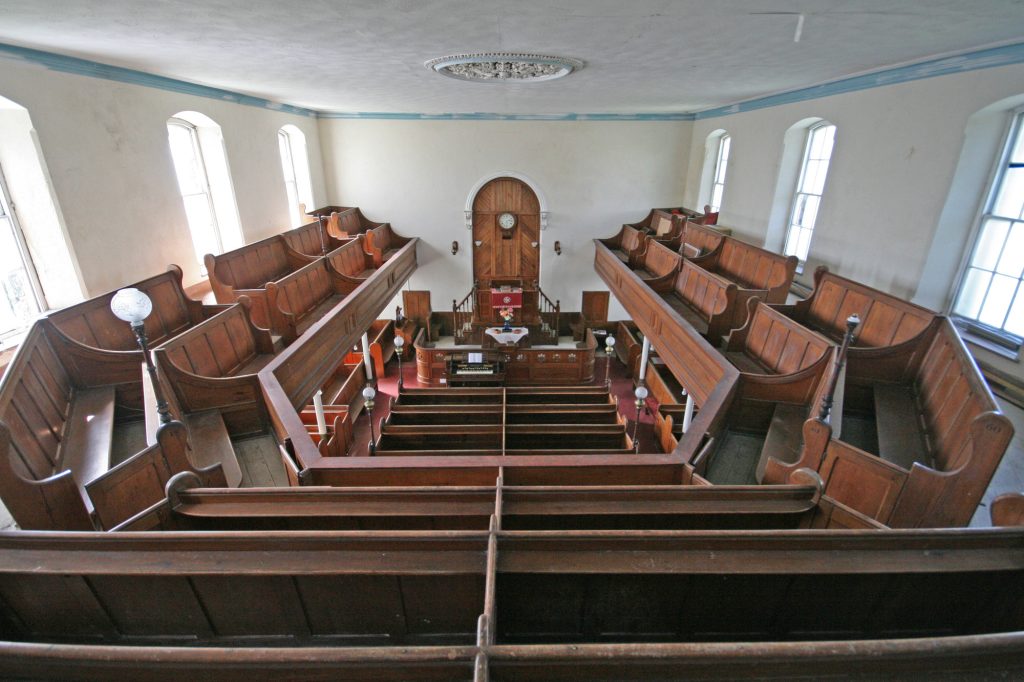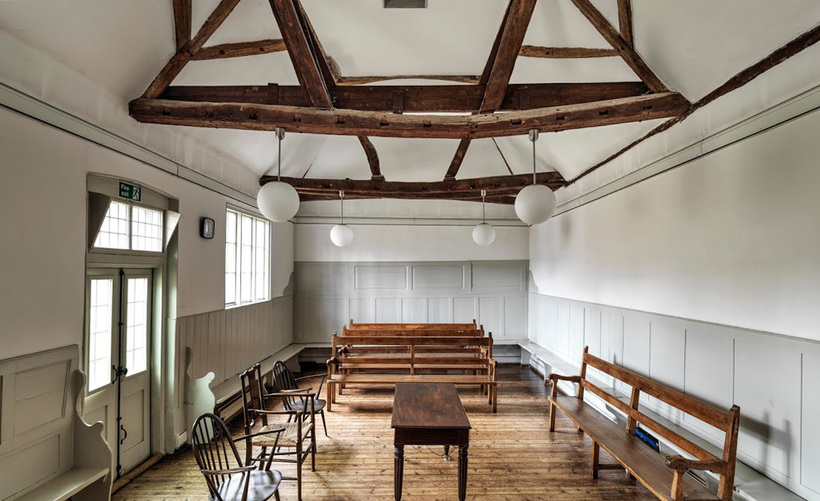
Unlocking historical Quaker records is a monumental breakthrough for family historians discovering ancestors who belonged to the Religious Society of Friends. Tracing ancestors who didn’t belong to the Church of England prior to civil registration in 1837 can often be a complex challenge. However, the Quakers kept incredibly detailed, non-parochial records to track their communities outside of the established church.
When civil registration began in 1837, and again in 1857, the General Register Office collected a vast number of these nonconformist registers. Today, these vital documents are centralised at The National Archives in Kew under a specific catalogue series: RG 6. Unlike other nonconformist series, the RG6 collection is dedicated exclusively to Quaker records, covering birth, marriage, and death entries up to 1837.
Table of Contents
The Legal Exception: Quakers and Lord Hardwicke’s Marriage Act of 1754
To truly appreciate the value of the RG 6 series, you must understand the legal landscape of 18th-century England. In 1754, Lord Hardwicke’s Marriage Act came into force, making it a strict legal requirement for couples to be married within the Church of England. For the vast majority of nonconformist denominations, this meant they were forced to marry in their local Anglican parish church between 1754 and 1837.
However, there was a crucial exception: Quakers were legally exempt from this law. Because of this unique legal carve-out, your ancestors didn’t have to compromise their faith to legally wed. Instead of appearing in Anglican parish registers, their marriages continued to be recorded meticulously within their own meetings, leaving an unbroken, highly detailed paper trail inside these historical Quaker records.
Mapping Extended Families Through Signature Columns
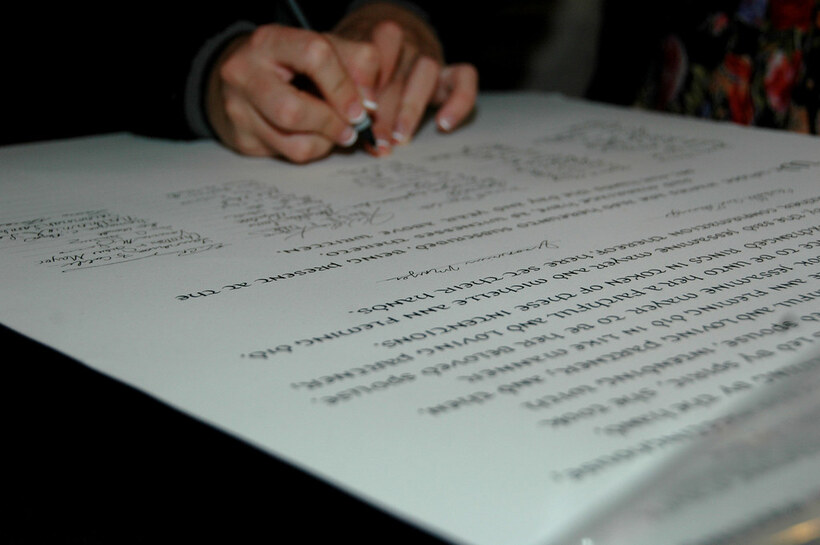
Because Quakers married within their own meetings rather than under the authority of an ordained Anglican clergyman, their marriage process was highly communal. The resulting Quaker records are an absolute goldmine for family historians because of how the certificates were signed.
When you access these digitised registers online via partner sites like Ancestry, you’ll notice the unique, beautiful structure of the marriage records:
- The Pronouncement: The main text details the names of the bride and groom, their parents, their occupations, and their geographical residences.
- The Primary Signatures: The bride and groom sign the document themselves.
- The Witness Columns (The Goldmine): Dozens of members of the meeting would sign the certificate as witnesses. Crucially, these signatures are not random. The column immediately below or adjacent to the bride and groom is almost always reserved for immediate family—parents, grandparents, and siblings.
- Unlocking Maternal Lines: By carefully transcribing these columns in your Quaker records, you can often identify brothers-in-law or married sisters, providing the exact clues needed to crack open elusive maternal lines and map out the extended family network.
Return to the Foundations: If you’re tracking ancestors from other dissenting faiths before 1837, be sure to visit our comprehensive TNA Series RG4 Nonconformist Hub to explore the full history of surrendered chapel books.
Take the Next Step in Your Research
Analysing a Quaker marriage certificate requires careful transcription and organisation. Do not let those crucial witness signatures get lost in your notes!
Frequently Asked Questions
What is the RG6 series and why is it separate from other nonconformist records?
The RG6 series is a unique collection at The National Archives that’s dedicated exclusively to Quaker birth, marriage, and death records up to 1837. While other non-Anglican groups are lumped together in different series, the Quakers’ records were so meticulous and vast that the government kept them entirely in their own class.
Why can I find Quaker marriage records before 1837 when other nonconformist marriages are missing?
You’re looking at a wonderful legal exception from the Georgian era! Lord Hardwicke’s Marriage Act of 1754 forced most nonconformists to marry in the Church of England, but it completely exempted the Quakers, meaning they could legally marry in their own meetings and keep their own unbroken records.
How can the witness signatures on a Quaker marriage certificate help me map my family?
The witness columns are a total goldmine because the layout was highly structured. The column closest to the bride and groom was traditionally reserved for immediate family members, allowing you to easily spot parents, siblings, and in-laws to crack open elusive maternal lines.
Where can I actually view and browse these historic Quaker records online?
You won’t find the original pages available to view directly on the main National Archives website. However, the entire RG6 series has been fully digitized, and you can easily browse or search the pages on partner websites like Ancestry, BMDregisters, or The Genealogist.

Scott Hammond is an archival detective and family history researcher who turns complex historical records into simple, easy-to-follow resources. Outside of solving centuries-old mysteries, he is a dedicated husband, father of five, and an avid British & World history buff.