While the General Register Office (GRO) is famous among family historians for maintaining the centralised civil registration of all births, marriages, and deaths in England and Wales since 1837, its archives stretch far beyond the borders of the mainland. If you’ve ancestors who emigrated, served in the military, or worked abroad, you’ll be thrilled to know that the GRO also holds vast collections of official overseas records for British citizens, with some specialised registers dating back to the late 18th century.
Tracking down an ancestor abroad requires a slightly different strategy than a standard domestic search. Unlike civil registration within England and Wales, registering an overseas birth, marriage, or death with the British government wasn’t always compulsory. Because it wasn’t strictly mandated, many events went unrecorded by the British state, meaning family historians cannot rely on the standard national indexes. Instead, you must carefully navigate a variety of specific, non-standard overseas indexes to find the hidden records of your highly mobile ancestors.
Table of Contents
3 Steps to Explore the Vital Overseas Records
To successfully locate an ancestor who experienced a vital life event outside of the country, you should begin your search within these two primary GRO overseas collections:
1. Marine Records (1837 onwards)
If your ancestor was born or died at sea aboard a British vessel, these official overseas records were tracked in Marine Registers. These records mirror the start of standard civil registration, beginning in 1837. Additionally, for non-statutory marine records or events occurring on ships prior to standard registration, researchers can also consult the specialised RG 33 series centralised at The National Archives.
Consular Records (1849 onwards): For ancestors who lived, worked, or started families in foreign countries, Consular Records are your most valuable resource. Starting in 1849, these registers track the births, marriages, and deaths of British citizens that were officially registered by British Consuls stationed abroad.
If you discover that your ancestors met and married while living or working in a foreign port, you can use these same tracking methods alongside my Marriage Index Strategy Guide to narrow down the matching records.
2. Tracing the Armed Forces and Colonial Citizens
If your ancestors were part of a military family stationed abroad before or during the Victorian era, standard civil or consular records’ll likely not cover them. Instead, your research’ll depend on specialised military registries. The two most vital collections of overseas records for this era are the Regimental Registers (1761–1924) and the Army Chaplains’ Returns (1796–1880). Because soldiers frequently travelled with their wives and children, these unique records are essential for locating the births, baptisms, marriages, and deaths that occurred within military ranks while serving overseas.
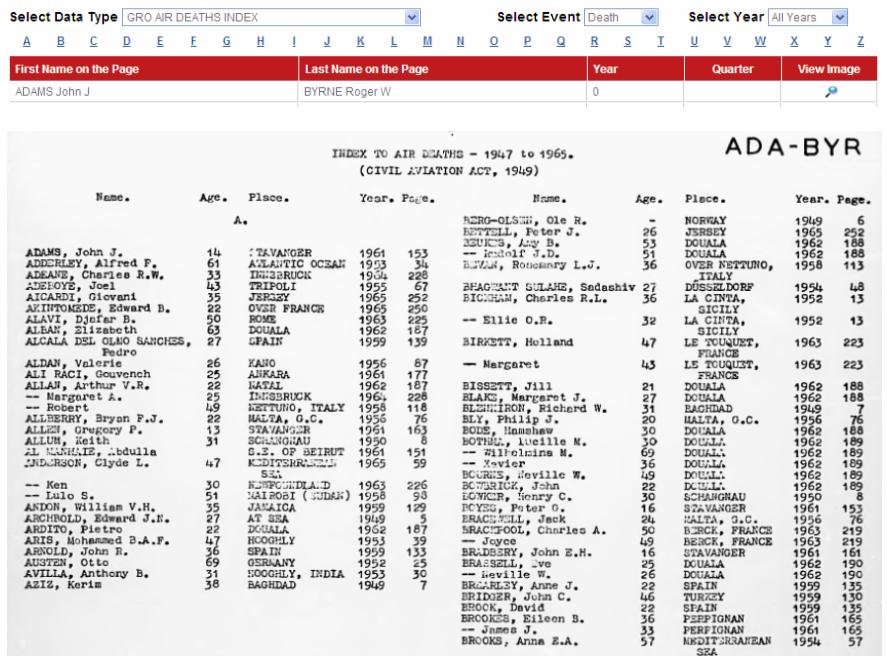
As the military structure modernised and expanded into the 20th century, the administration of these vital events shifted. For ancestors serving in later global conflicts or subsequent overseas deployments, you’ll need to pivot your search toward the specific vital registries maintained by the Air Ministry and the War Office.
Beyond the military, many British citizens travelled abroad to live, work, or settle in various territories across the globe. For these civilian ancestors, the Colonial Registers are your primary resource, as they specifically cover the vital life events of British subjects residing within the borders of the British colonies.
3. Ordering Your Overseas Certificates
It’s crucial to remember that finding your ancestor in an overseas index is only the first step. Just like domestic civil registration, these original certificates cannot be viewed or downloaded directly online. Once you’ve successfully located your ancestor in these non-standard indexes, you must order the official, physical certificate directly from the General Register Office (GRO).
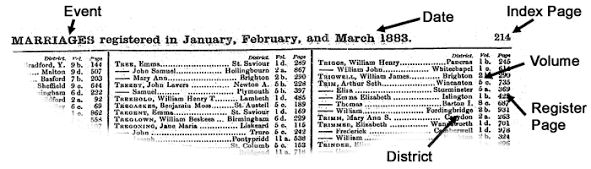
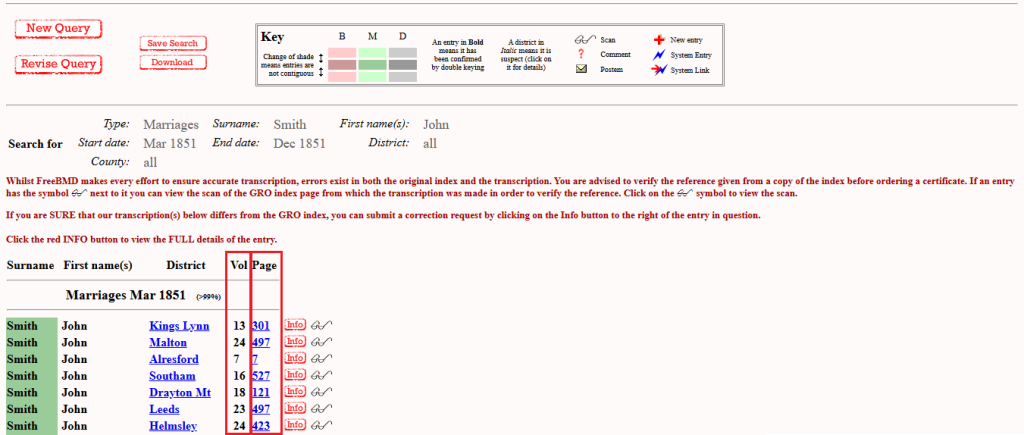
When you place your order, you’ll use the specific overseas index reference codes provided in the database. These codes function exactly like the standard Volume and Page numbers used for domestic English and Welsh records, ensuring the GRO can pinpoint the exact historical document in their archive. By mastering these overseas records and reference codes, you can confidently retrieve the official documents that bring your ancestors’ global adventures back to life!
Foundational Knowledge: If you’re new to navigating the General Register Office’s indexing system, make sure to read my comprehensive GRO Birth Index Decoding Guide to master how volume, page, and district codes work across the entire civil archive.
Frequently Asked Questions
Why can’t I find my ancestor’s overseas birth or death in the standard GRO indexes?
Unlike civil registration within England and Wales, registering a vital life event with the British government while living abroad wasn’t strictly compulsory. Because it wasn’t mandated, many events went unrecorded by the British state, meaning you’ll need to search specialised, non-standard overseas indexes instead of the main domestic database.
Where can I find a record of an ancestor who was born or passed away at sea?
If your ancestor was aboard a British vessel from 1837 onwards, their details’ll be logged in the GRO’s Marine Registers. For older events or non-statutory records that occurred at sea before this date, you’ll need to consult the specialised RG 33 series held at The National Archives.
My Victorian ancestor was born on an overseas army base—which records should I check? Standard civil or consular records won’t cover them, so you’ll need to dive into specialised military registries instead. Your best bet’ll be searching the Regimental Registers (1761–1924) or the Army Chaplains’ Returns (1796–1880), which track the families travelling with the ranks.
Can I view or download my ancestor’s overseas marriage certificate online?
No, these historic certificates can’t be viewed or downloaded directly on the internet. Once you’ve successfully tracked down the reference codes in the overseas indexes, you must order the physical certificate directly from the General Register Office (GRO).

Scott Hammond is an archival detective and family history researcher who turns complex historical records into simple, easy-to-follow resources. Outside of solving centuries-old mysteries, he is a dedicated husband, father of five, and an avid British & World history buff.