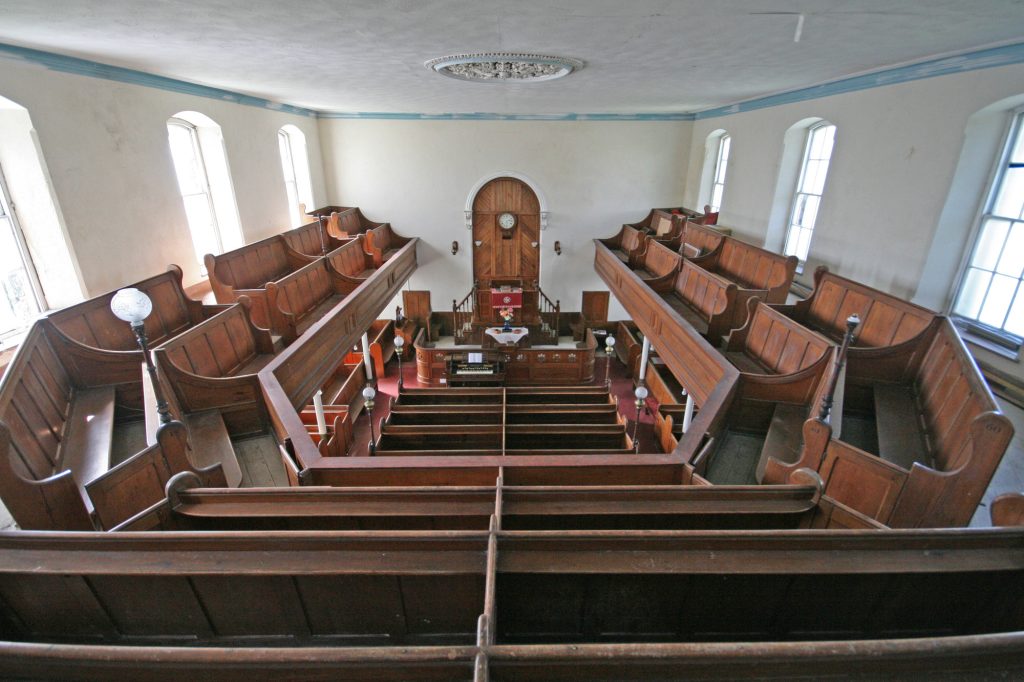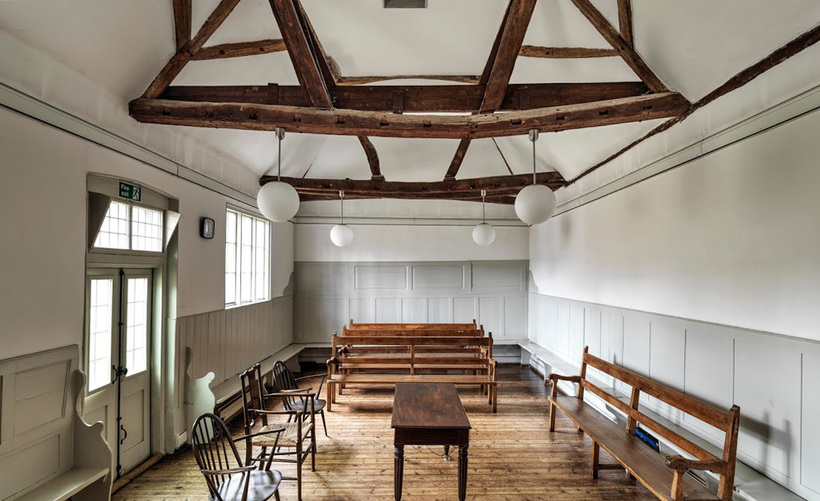
Finding missing ancestors before 1837 often requires exploring the historical rejected registers kept within the walls of public archives. When the nationwide system of civil registration began in 1837, and again in 1857, the General Register Office (GRO) made a massive effort to collect and centralise vital registers from nonconformist chapels and congregations operating outside the Church of England. If you’ve explored our main Nonconformist Hub guide, you know that the famous RG4 series houses the “authenticated” registers that were officially accepted by the government.
But what happened to the records that the government commissioners didn’t accept? Enter The National Archives Series RG 8: the main home of the rejected registers.
Table of Contents
‘Rejected’ Does Not Mean Useless!
Hearing that an official archive categorised your ancestor’s records as part of the rejected registers collection can sound incredibly alarming, but please don’t worry! In this historical context, “rejected” absolutely doesn’t mean the records are fake, inaccurate, or useless for family history.
It simply means that these specific registers didn’t meet the government’s highly strict legal criteria required to be used as automatic, authenticated evidence in a court of law. For a family historian, these rejected registers are still brimming with authentic, life-changing clues that can completely break down your pre-1837 brick walls!
Common Reasons for Rejection
Why would a perfectly good baptism or burial register be pushed into the rejected registers pile by the government commissioners? The reasons were almost entirely administrative. A register typically ended up in the RG 8 series for one of the following common hurdles:
- Missed Deadlines: The government set strict timelines for the surrender of non-parochial records. If a local chapel simply failed to hand over their records on time, they missed out on official authentication.
- Copies Instead of Originals: The commissioners strictly demanded original register books. If a cautious congregation submitted an unauthenticated copy of their register so they could keep the original safe at their chapel, the government placed it with the rejected registers.
- Unauthorized Record Keepers: To meet the strict legal standards of the state, records had to be kept by the official minister. If a register was maintained by an unauthorised individual, an enthusiastic parishioner, or a layperson, it was deemed legally inadmissible.
What is Actually Hidden Inside RG 8?
The contents of the RG 8 series of rejected registers go far beyond standard chapel baptisms and marriages. Because these records were set aside due to various administrative quirks, the collection holds some incredibly unique genealogical treasures.
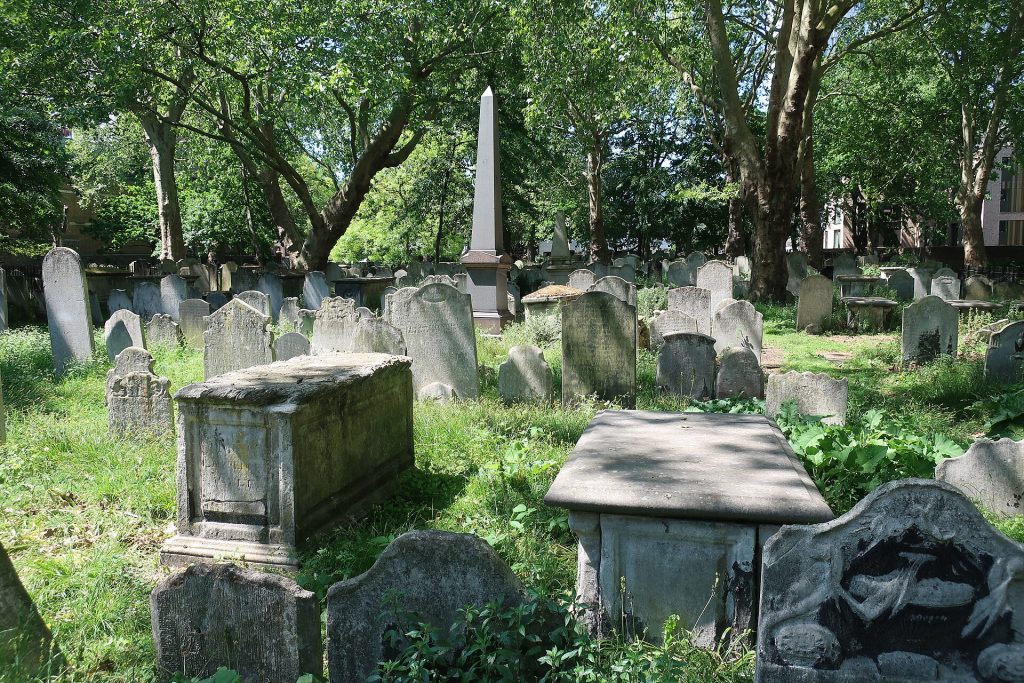
Inside this archive, you’ll find registers from prominent independent burial grounds (such as the famous Bunhill Fields in London), records from rare foreign churches, and even duplicate birth certificates from the Protestant Dissenters’ Registry at Dr Williams’ Library that simply didn’t pass the government’s strict legal threshold.
Step-by-Step: Searching the RG 8 ‘Rejected’ Series
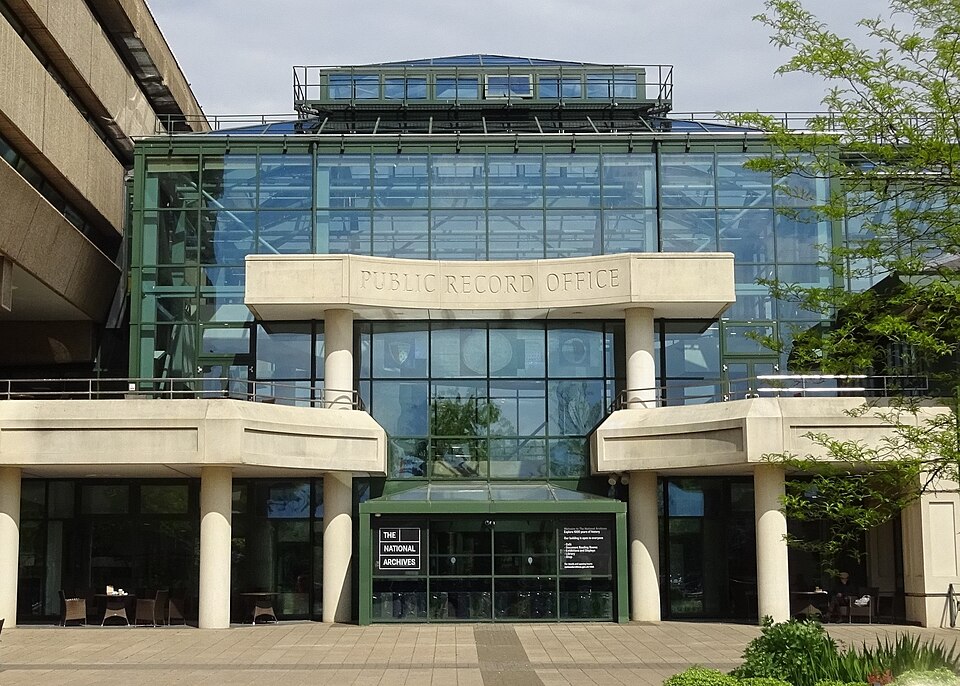
Because the RG 8 series contains an eclectic mix of unauthenticated records, finding a specific register requires a targeted approach using The National Archives’ online Discovery catalogue. To find your ancestor’s hidden files within these rejected registers, follow this straightforward strategy:
- Step 1: Restrict Your Series: Go directly to the official National Archives Discovery Catalogue and restrict your search parameters entirely to the RG 8 series box.
- Step 2: Define the Geography: Enter the specific place your ancestor lived, which can be a county, town, city, or even the precise name of a local chapel.
- Step 3: Use Boolean Logic: o filter the results effectively, connect your geographic location with a descriptive keyword using the capitalised word “AND”. By searching combinations like “[Location] AND chapel” or “[Location] AND burial”, you’ll instantly filter the catalogue to show the specific surviving piece numbers for that area.
- Step 4: Browse the Images: Once you’ve isolated the correct RG 8 piece number, you can view the digitised registers on partner websites like Ancestry or The Genealogist by using their advanced search or “browse this collection” options to comb through the rejected registers.
Core Archive Access: Remember that while the unauthenticated records live in the RG 8 series of rejected registers, the bulk of official chapel books are kept elsewhere. Head back to our main TNA Series RG4 Nonconformist Hub to search the primary authenticated collections.
Your Pre-1837 Secret Weapon
Don’t let the government’s administrative label of “rejected” discourage your research! These records are packed with authentic, life-changing clues. When your pre-1837 nonconformist ancestors seem to have completely vanished from the official, authenticated registers, checking the rejected registers list in RG 8 is often the absolute secret weapon that finally breaks down your stubborn brick wall.
Take the Next Step in Your Research
Ready to pinpoint exactly where your pre-1837 nonconformist family records are stored? Use our specialist checklist to map out your digital and physical archive path.
Frequently Asked Questions
Does it mean my ancestor’s records are fake or useless if they’re in the “rejected” RG8 series?
Please don’t worry, as “rejected” absolutely doesn’t mean the records are inaccurate or fake. It simply means they didn’t meet the government’s incredibly strict administrative criteria to be used as automatic legal evidence in a court of law, but for family history, they’re still packed with completely authentic clues.
Why would the government commissioners reject a perfectly good chapel register?
The reasons were almost always purely administrative. A register typically ended up in RG8 because the chapel missed the strict surrender deadline, sent in a tidy handwritten copy instead of the original book, or because the records were kept by a helpful layperson rather than the official minister.
What kind of unique family history records are hidden away inside the RG8 collection?
Because the series holds a real mix of records, it’s actually an absolute treasure trove. Inside, you’ll find registers from prominent independent burial grounds (like the famous Bunhill Fields in London), records from rare foreign churches, and even duplicate birth certificates from Dr Williams’ Library that didn’t pass the state’s legal threshold.
How can I find a specific register in the RG8 series if a basic name search leaves me stuck?
You can easily track down the exact book by using geography and following these simple steps:
1. Target the search: Open The National Archives’ online “Discovery” catalogue and restrict your search area entirely to the RG 8 series code.
2. Use Boolean search terms: Type your target location alongside a descriptive keyword, joining them with a capitalised “AND” (for example, “London AND burial” or “Surrey AND chapel”).
3. Isolate the reference: This will instantly filter out the thousands of unrelated records and give you the exact piece number for that specific location.
4. Browse the pages: Take that piece number to partner sites like Ancestry or The Genealogist, where you can use their collection browser to manually flip through the original digitized images.

Scott Hammond is an archival detective and family history researcher who turns complex historical records into simple, easy-to-follow resources. Outside of solving centuries-old mysteries, he is a dedicated husband, father of five, and an avid British & World history buff.