Finding your early Methodist ancestors between the late 18th century and the start of civil registration in 1837 can often lead to a frustrating brick wall if you only search within standard Church of England parish registers. Because Methodists worshipped outside the established church, they maintained their own distinct records.
To successfully track down your ancestors’ baptisms during this era, you must look outside the Anglican system and understand the unique administrative quirks of early Methodism.
Table of Contents
Understanding the ‘Circuit System’
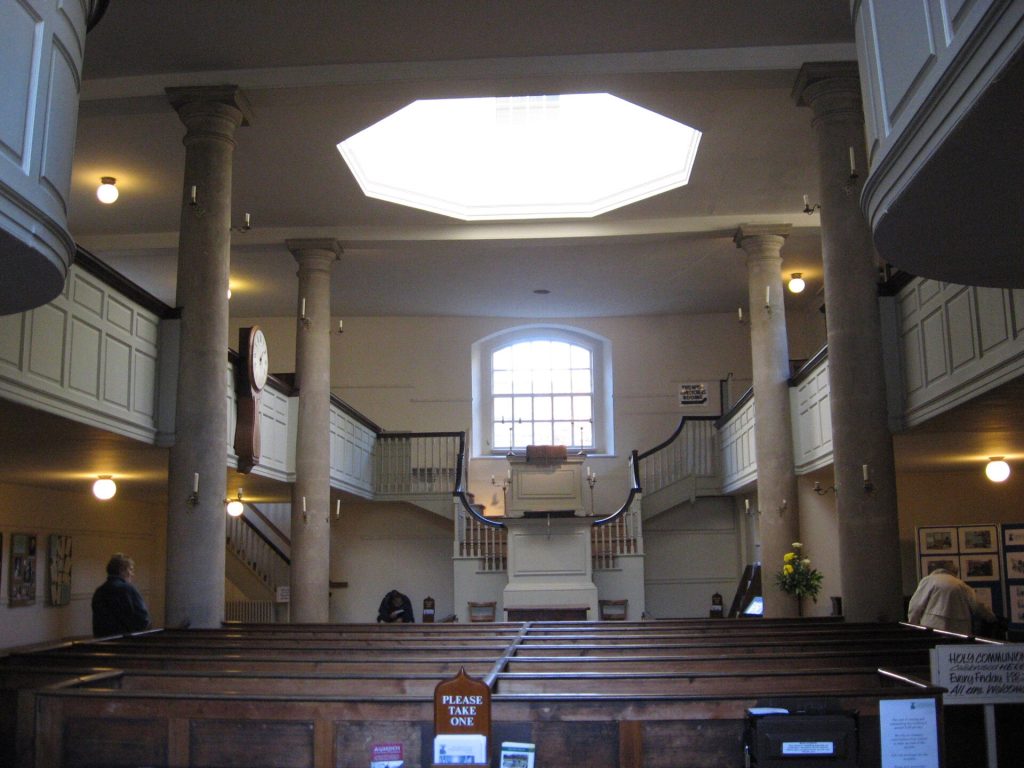
Unlike the Church of England, where baptismal registers were kept securely inside a static, localised parish building, early Methodism relied heavily on the “Circuit System.” Methodist ministers frequently travelled a designated geographical circuit, visiting and preaching at multiple different chapels across a wider region.
Because the minister was highly mobile, the baptisms they performed across these various locations were often recorded into a single, wandering Circuit Register that travelled with them. For the practical researcher tracking down early Methodist ancestors, this means you must broaden your geographic search parameters; your ancestor’s baptism might be catalogued under the name of the overarching circuit rather than the specific town or local chapel where they lived.
The Crown Jewel: The Wesleyan Methodist Metropolitan Registry
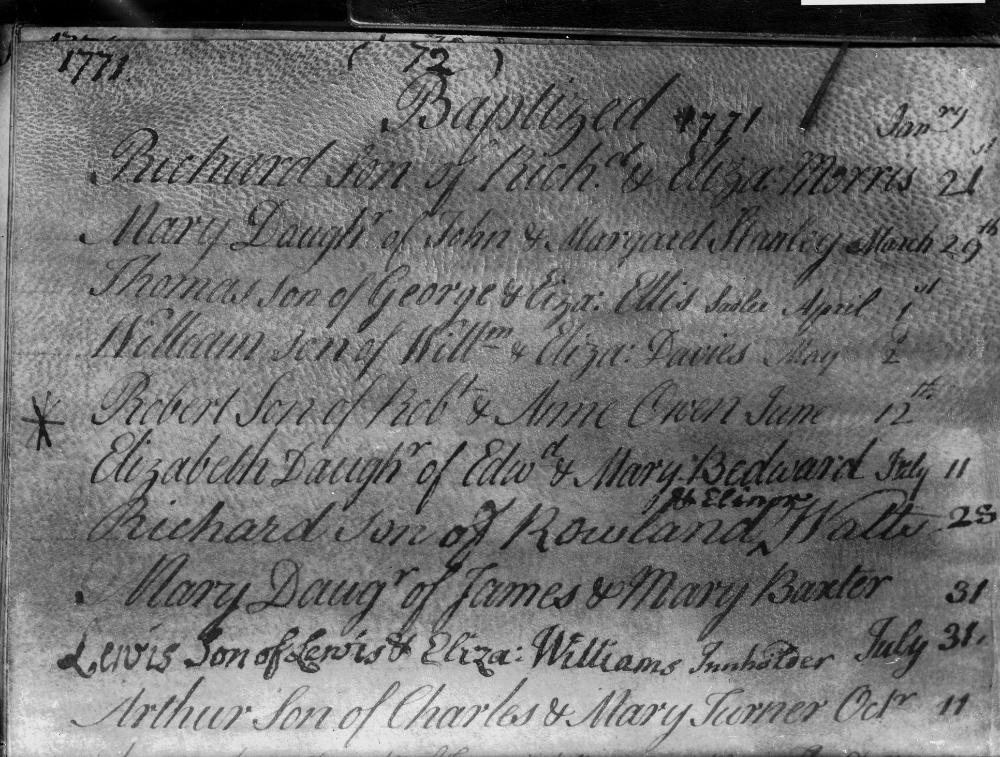
Fortunately, you don’t have to rely solely on tracking down scattered local circuit books to discover your Methodist ancestors. One of the most immensely valuable resources available to family historians is the Wesleyan Methodist Metropolitan Registry.
Operating from 1773 to 1838, this registry functioned as a massive, centralised birth registry for Wesleyan Methodists throughout England, Wales, and even further afield. Because this central registry was specifically designed to officially record births outside of the Church of England, it offers an incredible lifeline for finding Methodist ancestors right up until standard civil registration took over.
Today, the original registers from the Wesleyan Methodist Metropolitan Registry are safely centralised at The National Archives in Kew, held within the RG 4 series.
Searching the RG 4 Series in The National Archives
When trying to locate specific local Methodist registers within the massive RG 4 collection, relying on a basic name search can often lead to frustration. Instead, your best strategy is to pinpoint the exact register book using TNA’s online database to locate your missing Methodist ancestors.
Here is the step-by-step logic to effectively search the catalogue for your family lines:
- Step 1: Restrict Your Search: Go directly to the official National Archives Discovery Catalogue and restrict your search parameters specifically to the RG 4 series box.
- Step 2: Define the Geography: Enter your ancestor’s specific geographic location. This can be a county, a town, a city, or even the precise name of the chapel if you know it.
- Step 3: Use Boolean Logic: To filter out thousands of unrelated registers, combine your target location with the specific denomination by using the capitalised word “AND”. By searching terms like “[Location] AND Methodist” or “[Location] AND Wesleyan” (for example, “Berkshire AND Methodist”), you’ll instantly filter the catalogue to show only the surviving piece numbers for those specific Methodist congregations.
- Step 4: Browse the Images: Once you’ve isolated the exact TNA piece number, head over to partner websites like Ancestry or The Genealogist to browse the digitised pages of that specific un-indexed book and look for entries.
A Later Lifeline: The Wesleyan Methodist Historic Roll
While your focus may be on the pre-1837 era, tracing a family line often requires working backwards from later, more comprehensive records. If your family remained active in the faith into the turn of the 20th century, you can use the Wesleyan Methodist Historic Roll (also known as the Twentieth Century Fund) to anchor your elusive Methodist ancestors.
Compiled between 1899 and 1904, this monumental project was initially designed as a fundraising effort to raise one million guineas from one million Methodists. However, for the modern genealogist, it serves as a massive, census-like tool. The Historic Roll contains over one million names and detailed addresses of Edwardian Methodist families.
Finding an ancestor in this sprawling directory can brilliantly anchor your family tree, providing the exact geographic locations you need to jump back into the earlier 19th-century circuit registers.
Regional Research Tip: Because early Methodism experienced immense growth across industrial northern England, researchers tracking families in these circuits should cross-reference our specialist Lancashire County Records Archive Guide. For a complete overview of all non-parochial records, head back to our main TNA Series RG4 Nonconformist Hub.
Take the Next Step in Your Research
Tracking down ancestors who worshipped outside the established Church of England requires a willingness to learn new archival structures. But by combining the unique history of the travelling Circuit Registers, the centralised power of the RG 4 series, and the incredible detail of the later Historic Roll, your pre-1837 Methodist research can transition from a frustrating brick wall into a highly rewarding journey of discovery!
Frequently Asked Questions
What is a Methodist “Circuit Register” and why is it making my search so tricky?
Unlike the Church of England, early Methodist ministers didn’t stay in one building; they travelled around a wide geographical circuit of chapels. Because they were so mobile, they recorded baptisms from multiple different towns in one single, wandering book, so you’ll need to expand your search to the overarching circuit name rather than just a specific town.
What was the Wesleyan Methodist Metropolitan Registry?
It was a brilliant, centralised system operating between 1773 and 1838 that acted as a massive national birth registry for Wesleyan Methodists across England and Wales. It’s an absolute lifeline for family historians looking for nonconformist ancestors before civil registration took over, and its records are safely kept in the RG 4 series at The National Archives.
How do I find my family’s specific Methodist chapel book in The National Archives?
Instead of a basic name search, you can easily track down the exact register book by using geography and following these simple steps:
1. Target the search: Open The National Archives’ online “Discovery” catalogue and restrict your search area specifically to the RG 4 series code.
2. Use Boolean search terms: Type your target location alongside the denomination, joining them with a capitalised “AND” (for example, “Berkshire AND Methodist” or “Leeds AND Wesleyan”).
3. Isolate the reference: This will instantly filter out the thousands of unrelated records and give you the exact piece number for that specific congregation.
4. Browse the pages: Take that piece number to partner sites like Ancestry or The Genealogist, where you can use their collection browser to manually flip through the original digitized images.
What is the Wesleyan Methodist Historic Roll and how can it help my research?
Compiled between 1899 and 1904, this was a massive fundraising project that recorded the names and addresses of over one million Edwardian Methodists. It’s a fantastic census-like tool that can securely anchor your family tree, providing the exact addresses you need to help you work backwards into the older 19th-century registers.

Scott Hammond is an archival detective and family history researcher who turns complex historical records into simple, easy-to-follow resources. Outside of solving centuries-old mysteries, he is a dedicated husband, father of five, and an avid British & World history buff.